

Social media can feel like one of those jobs that never ends.
You post something on Monday. By Wednesday, it feels like you have disappeared. Then you see another business posting every day, jumping on trends, filming reels, sharing behind-the-scenes content and somehow still having time to actually run their business.
So, naturally, you start asking the big question:
How often should small businesses post on social media?
The honest answer is: it depends.
Annoying? Slightly. True? Absolutely.
However, that does not mean you should guess, panic-post, or disappear for three weeks because you don’t know what to say. There is a sensible middle ground. For most small businesses, posting consistently a few times per week is far more effective than posting constantly for two weeks and then burning out.
In this guide, we will break down how often to post on social media, what matters more than frequency, and how small businesses can build a realistic posting routine that does not take over their life.
- Why Social Media Posting Frequency Matters
- More Posts Do Not Always Mean More Success
- So, How Often Should Small Businesses Post on Social Media?
- The Best Posting Frequency by Platform
- Quality vs Quantity: What Matters More?
- The Best Social Media Schedule for Small Businesses
- A Simple Content Mix to Follow
- Should You Post Every Day?
- What Happens If You Do Not Post Enough?
- How to Know If You Are Posting Too Much
- How to Create a Posting Schedule You Can Actually Stick To
- A Simple Monthly Posting Plan
- What About Stories?
- What About Reels and Video?
- Should You Use a Content Calendar?
- Common Social Media Posting Mistakes Small Businesses Make
- The Real Answer: Consistency Beats Intensity
- Need Help Creating Social Media Content?
Why Social Media Posting Frequency Matters
Social media works best when people see you often enough to remember you.
That does not mean you need to be online every hour of the day. However, it does mean your audience needs regular reminders that your business exists, what you do, and why they should care.
Why Social Media Posting Frequency Matters
- Build trust with your audience
- Stay visible to potential customers
- Show your personality
- Educate people about your services
- Share proof of your work
- Drive traffic to your website
- Support enquiries and sales over time
For small businesses, social media is rarely about one magic post that suddenly changes everything. Instead, it is usually about building familiarity.
People may not need your service today. But if they see your content regularly, they are more likely to remember you when they do need help.
That is why consistency matters.
However, there is a catch.
Posting more does not automatically mean better results.
More Posts Do Not Always Mean More Success
It is easy to assume that if posting twice a week is good, posting twice a day must be better.
Sometimes, yes. But not always.
If your content is useful, engaging, relevant or entertaining, posting more often can help you grow faster. But if you are rushing out weak content just to “stay active”, more posts can actually water down your brand.
Small businesses often fall into this trap. They feel pressure to post constantly, so they throw together random content with no real purpose.
A quick graphic here. A vague caption there. A last-minute “Happy Friday” post because nothing else came to mind.
The problem is that this kind of content rarely does much.
It fills space, but it does not build trust.
Instead of asking, “How much can we post?”, it is better to ask:
How often can we post useful content without sacrificing quality?
That is the sweet spot.
So, How Often Should Small Businesses Post on Social Media?
As a general rule, most small businesses should aim to post 3-5 times per week on their main social media platforms.
That is enough to stay visible without overwhelming your audience or yourself.
For many small businesses, this might look like:
- 3 feed posts per week
- A few stories throughout the week
- 1 short-form video or reel, where possible
- Occasional extra posts when you have something timely to share
This gives you enough activity to look present and professional, while still leaving space to focus on your actual work.
If you are just starting out, even 2-3 strong posts per week can work well. It is much better to do that consistently than aim for daily content and give up after a month.
On the other hand, if social media is a key part of your marketing strategy, you may want to post more often. For example, e-commerce brands, fitness businesses, restaurants, coaches, and content-led brands may benefit from posting daily or nearly daily.
But again, the important part is sustainability.
A posting schedule only works if you can stick to it.
Need help creating social media content?
Check out our social media services
The Best Posting Frequency by Platform
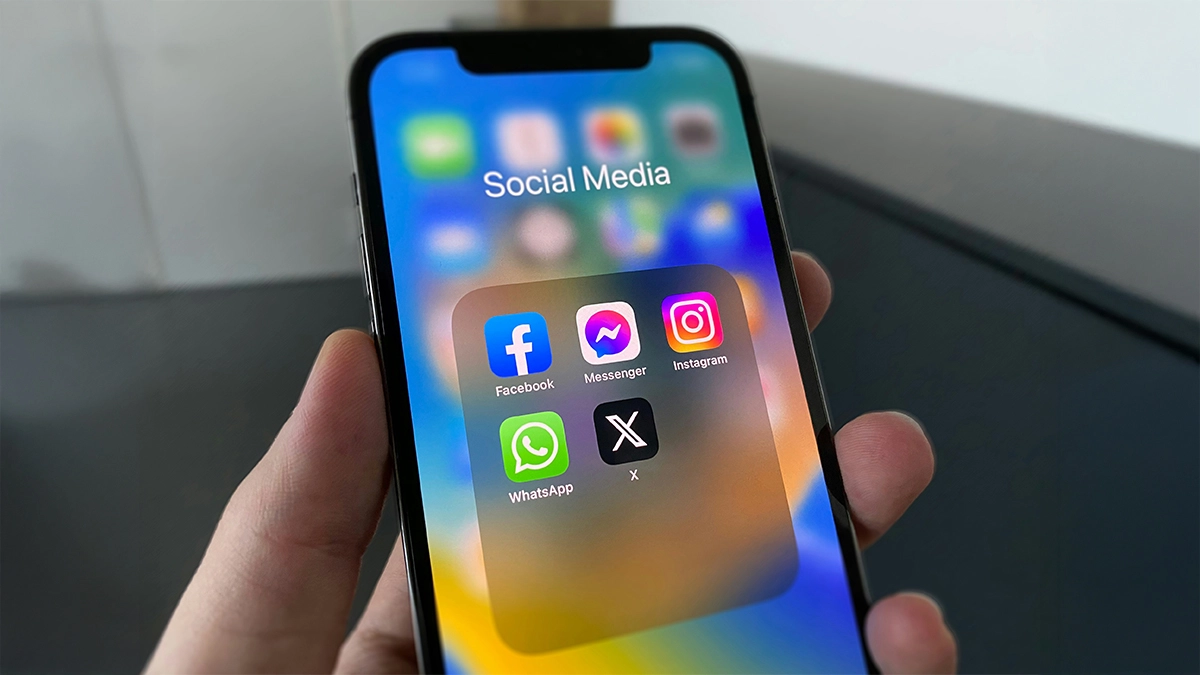
Different platforms work in different ways. So, while your overall content strategy can stay consistent, your posting frequency may change depending on where you show up.
Let’s keep this simple.
How Often Should You Post on Instagram?
For most small businesses, Instagram works well with 3-5 feed posts per week, supported by regular stories.
Your feed posts can include:
- Reels
- Carousels
- Customer testimonials
- Educational tips
- Behind-the-scenes content
- Product or service highlights
- Before-and-after examples
- Team or business updates
Stories can be more casual. You don’t need to overthink them as much. They are great for quick updates, reminders, polls, reposts, customer messages and day-to-day business moments.
If you can manage it, try posting stories several times per week. They help your business feel active and human.
Instagram is no longer just a polished photo platform. People want to see the real side of your business. That is good news for small businesses, because you do not need a full production team to show up.
How Often Should You Post on Facebook?
For Facebook, 2-4 posts per week is usually enough for many small businesses.
Facebook can still work well for local businesses, community-focused brands, events, service providers and businesses with an older or more location-based audience.
Good Facebook content might include:
- Local updates
- Offers or announcements
- Customer reviews
- Blog posts
- Community news
- Event information
- Helpful advice
- Photos from recent work
Facebook does not always need the same level of frequency as Instagram or TikTok. However, an inactive Facebook page can make your business look quiet or outdated.
Even if Facebook is not your main platform, it is worth keeping it warm.
How Often Should You Post on LinkedIn?
For LinkedIn, 2-3 posts per week can be a strong starting point.
LinkedIn is especially useful for B2B businesses, consultants, agencies, professional services and anyone who relies on relationships, referrals or industry authority.
Your posts could include:
- Lessons from recent projects
- Business updates
- Industry thoughts
- Case studies
- Helpful advice
- Team news
- Personal reflections
- Client wins
LinkedIn often rewards useful, thoughtful content more than polished content. So, you do not need to sound like a corporate brochure.
In fact, please don’t.
Write like a person. Share what you know. Keep it relevant.
How Often Should You Post on TikTok?
TikTok usually rewards higher frequency, so if it is a key platform for your business, you may want to post 4-7 times per week.
That said, TikTok is not right for every small business.
It can be powerful for brands that can create quick, useful, entertaining or visual content. However, it also needs a different mindset. Content moves quickly, trends change fast, and polished perfection is not always the goal.
If you are new to TikTok, start with a realistic target. Try 2-3 videos per week and build from there.
The biggest mistake is trying to copy creators who post multiple times a day when you barely have time to film one video.
Start small. Learn what works. Then increase your output if it makes sense.
How Often Should You Post on X, Threads or Similar Platforms?
For fast-moving platforms like X or Threads, frequency can be much higher. However, these platforms are often more conversation-led.
For many small businesses, they are not the first priority.
If you use them, you may need to post or engage daily to get much value. But if your audience is not active there, you may be better off focusing your energy somewhere else.
There is no prize for being on every platform badly.
Quality vs Quantity: What Matters More?
Quality matters more.
However, consistency still matters too.
That might sound like a contradiction, but it is not.
You do not need every post to be a masterpiece. You also do not want to post random content just to tick a box.
The goal is to create useful, relevant content on a regular basis.
A good social media post should usually do at least one of these things:
- Help your audience understand something
- Answer a common question
- Show the value of your product or service
- Build trust
- Start a conversation
- Show proof of your work
- Make your business feel more human
- Encourage someone to take the next step
If your content does none of those things, it probably needs more thought.
This is where many small businesses get stuck. They think social media is just about posting updates. But the best content usually connects your business to your customer’s problems, goals or interests.
For example, instead of posting:
“We offer website design services.”
You could post:
“Three signs your website is making your business look less trustworthy.”
That second version gives people a reason to pay attention.
It still promotes your service, but it does it through value.
The Best Social Media Schedule for Small Businesses
If you are not sure where to start, use a simple weekly structure.
Here is a realistic example for a small business posting 3 times per week:
Monday: Educational post
Share a tip, answer a common question, or explain something useful.
Wednesday: Trust-building post
Share a testimonial, case study, before-and-after, review, project update or behind-the-scenes moment.
Friday: Promotional or personality-led post
Talk about a service, offer, product, team member, business story or something more relaxed.
This structure works because it gives your content a mix of value, proof and promotion.
And yes, you are allowed to promote your business.
Some small businesses are so worried about sounding salesy that they never actually tell people what they offer. Your audience should not have to solve a mystery to work with you.
The trick is to balance promotion with useful content.
A Simple Content Mix to Follow
A good content mix makes social media much easier.
Instead of asking, “What should we post today?”, you can rotate through a few clear content types.
Try using these five categories:
1. Educational Content
This is content that helps your audience learn something.
Examples include:
- Tips
- How-to posts
- Common mistakes
- Beginner guides
- Myth-busting posts
- Frequently asked questions
Educational content is great because it positions your business as helpful and knowledgeable.
It also works well for people who are not ready to buy yet. They might follow you for advice now and become a customer later.
2. Trust-Building Content
Trust-building content shows that you know what you are doing.
Examples include:
- Testimonials
- Reviews
- Case studies
- Project results
- Before-and-after posts
- Client feedback
- Behind-the-scenes process posts
This type of content matters because people want proof.
They do not just want to hear that you are good. They want to see why they should believe you.
3. Promotional Content
Promotional content directly talks about what you sell.
Examples include:
- Service spotlights
- Product highlights
- Offers
- Launches
- Packages
- Availability updates
- Booking reminders
You should include promotional content regularly, but it should not be the only thing you post.
If every post says “buy this”, people will tune out. However, if you never promote anything, people may not know how to take the next step.
Balance is key.
4. Personality Content
Personality content helps people connect with the human side of your business.
Examples include:
- Team introductions
- Day-in-the-life posts
- Business lessons
- Honest reflections
- Behind-the-scenes photos
- Office or workshop updates
- Personal stories linked to your business
This type of content can feel less polished, but it often performs well because it feels real.
People buy from people. Especially in small businesses.
5. Community or Local Content
For local businesses, this can be especially powerful.
Examples include:
- Local events
- Community partnerships
- Charity support
- Customer shoutouts
- Local news
- Area-specific updates
If you serve a local area, show that you are part of it. This can help you build stronger connections and stand out from larger, less personal competitors.
Should You Post Every Day?
You can post every day, but you do not have to.
Daily posting can work if:
- You have enough strong content ideas
- Your audience engages with regular updates
- You have time to create content properly
- Social media plays a major role in your sales
- You can maintain the schedule long term
However, daily posting can become a problem if:
- You rush content
- You repeat yourself constantly
- You burn out
- You stop focusing on quality
- You spend too much time creating content and not enough time running the business
For most small businesses, daily posting is not necessary.
It is better to post 3 strong pieces of content per week than 7 weak posts that say very little.
What Happens If You Do Not Post Enough?
If you rarely post, your social media can start working against you.
A quiet account may make people wonder whether your business is still active. This is especially true if your last post was months ago.
Potential customers may check your social media before contacting you. If they see outdated posts, old offers or no recent activity, it can create doubt.
That does not mean you need to panic. But it does mean you should keep your accounts updated.
At the very least, try to post once a week so your business looks alive.
Even better, aim for 2-3 posts per week if you want social media to support your marketing properly.
How to Know If You Are Posting Too Much

Posting too much is less about the number and more about the response.
You may be posting too much if:
- Engagement drops sharply
- Your content starts feeling repetitive
- You rush posts just to fill gaps
- You have no clear purpose behind each post
- Your audience stops responding
- You feel completely overwhelmed
That last point matters.
If your posting schedule is making you hate social media, it is probably not sustainable.
Small business marketing needs to fit around real life. You have customers to serve, emails to answer, invoices to send, meetings to attend and about 47 other things fighting for your attention.
Your content plan should support your business, not swallow it whole.
How to Create a Posting Schedule You Can Actually Stick To
The best posting schedule is the one you can keep doing.
Here is a simple process.
Step 1: Choose Your Main Platform
Do not try to be everywhere at once.
Start with the platform where your audience is most likely to spend time. For many small businesses, that might be Instagram, Facebook or LinkedIn.
Once you feel consistent there, you can add another platform.
Step 2: Pick a Realistic Frequency
Choose a number you can manage.
If you are busy, start with 2 posts per week. If you have more time or support, aim for 3-5.
Do not build your plan around your most motivated week. Build it around a normal week.
That is where the magic is.
Step 3: Create Content Pillars
Content pillars are the main themes you post about.
For example, a small business might use:
- Tips and advice
- Behind the scenes
- Customer stories
- Services or products
- FAQs
- Local updates
These pillars make planning easier because you are not starting from scratch every time.
Step 4: Batch Your Content
Batching means creating several posts at once.
Instead of trying to think of something new every day, set aside time once a week or once a month to plan content.
You can write captions, choose images, film short videos or create graphics in one go.
This saves time and helps your content feel more joined up.
Step 5: Reuse and Repurpose Content
You do not need to reinvent the wheel every week.
A blog post can become:
- A carousel
- A reel
- A LinkedIn post
- Several short tips
- An email newsletter
- A set of stories
- A FAQ post
A customer question can become a post. A project can become a case study. A review can become a graphic. A behind-the-scenes moment can become a story.
Good content should work harder than once.
Step 6: Check What Performs
Do not guess forever.
Look at your insights and pay attention to what gets:
- Saves
- Shares
- Comments
- Clicks
- Enquiries
- Profile visits
- Website visits
Likes are nice, but they are not the whole story.
A post with fewer likes but more website clicks may be more valuable than a post that gets lots of attention but no action.
Over time, your results will show you what your audience actually cares about.
A Simple Monthly Posting Plan
If you want a straightforward plan, here is one you can adapt.
Aim for 12 posts per month:
- 4 educational posts
- 3 trust-building posts
- 2 promotional posts
- 2 personality or behind-the-scenes posts
- 1 local, seasonal or timely post
This gives you roughly 3 posts per week.
It also keeps your content balanced. You are not selling all the time, but you are also not hiding what you offer.
For many small businesses, this is a strong and realistic starting point.
What About Stories?
Stories are useful because they feel more casual than feed posts.
You can use stories to:
- Share quick updates
- Show behind-the-scenes moments
- Repost customer content
- Ask questions
- Run polls
- Promote offers
- Remind people about services
- Share availability
- Link to useful content
You do not need to design every story perfectly. In fact, stories often work better when they feel natural.
If you use Instagram or Facebook, try sharing stories a few times per week. They can help keep your business visible between your main posts.
What About Reels and Video?

Video can be powerful, but it does not need to be complicated.
Short-form video works well because it grabs attention quickly and helps people connect with you.
You could create videos that:
- Answer common questions
- Show your process
- Explain a service
- Share quick tips
- Introduce your team
- Show before-and-after results
- Walk through recent work
- React to industry myths
If creating videos feels intimidating, start simple.
Film one short video per week. Keep it useful. Keep it clear. Do not worry about making it perfect.
A slightly rough but helpful video often beats a polished video that says nothing.
Need help creating reels?
Check out our social media services
Should You Use a Content Calendar?
Yes, even a basic one helps.
A content calendar gives you a clear view of what you are posting and when. It also stops you from waking up every morning thinking, “Oh no, we need to post something.”
Your content calendar does not need to be fancy. You can use a spreadsheet, notes app, project management tool or even a simple document.
Include:
- Date
- Platform
- Post topic
- Content type
- Caption
- Image or video needed
- Status
Planning ahead makes social media feel less reactive and more strategic.
That is especially useful for small businesses where marketing often gets squeezed between client work, admin and everything else.
Common Social Media Posting Mistakes Small Businesses Make
Let’s quickly cover a few mistakes that can hold you back.
- Posting Without a Purpose:
Every post should have a reason. It might educate, promote, build trust, start a conversation or show personality. But it should not exist just because you felt like you had to post. - Only Posting Sales Content:
People do not want to be sold to constantly. If every post is promotional, your audience may switch off. Mix in useful, human and trust-building content too. - Giving Up Too Soon:
Social media takes time. You may not see big results after two weeks. That does not mean it is not working. Stay consistent, test different ideas and look for patterns over time. - Ignoring Engagement:
Posting is only one part of social media. You also need to reply to comments, answer messages and interact with your audience. Social media should feel like a conversation, not a noticeboard. - Trying to Be on Every Platform:
You do not need to be everywhere. It is better to use one or two platforms well than five platforms badly. - Overthinking Every Post:
Yes, quality matters. But perfection can slow you down. Not every post needs to be groundbreaking. Sometimes a clear, helpful tip is enough.
The Real Answer: Consistency Beats Intensity
So, how often should small businesses post on social media?
For most, the answer is 3-5 times per week.
However, the bigger answer is this:
Post often enough to stay visible, but not so often that your quality drops or you burn out.
Consistency beats intensity.
A realistic schedule that you stick to for six months will do more for your business than an intense two-week burst followed by silence.
Start with what you can manage. Create a simple plan. Focus on useful content. Then adjust based on what works.
Social media should not feel like shouting into the void every day. It should help your audience understand who you are, what you do and why they should trust you.
And if you can do that a few times per week, you are already ahead of many small businesses.
Need Help Creating Social Media Content?
If you know you should be posting more consistently but never seem to have the time, we can help.
At 404 Marketing, we support small businesses with social media content that feels clear, useful and actually suited to their brand.
Whether you need help planning your content, creating posts, editing videos or building a proper social media strategy, we can help you show up online without making it feel like a full-time job.
Get in touch with 404 Marketing and let’s make your social media a bit less stressful.