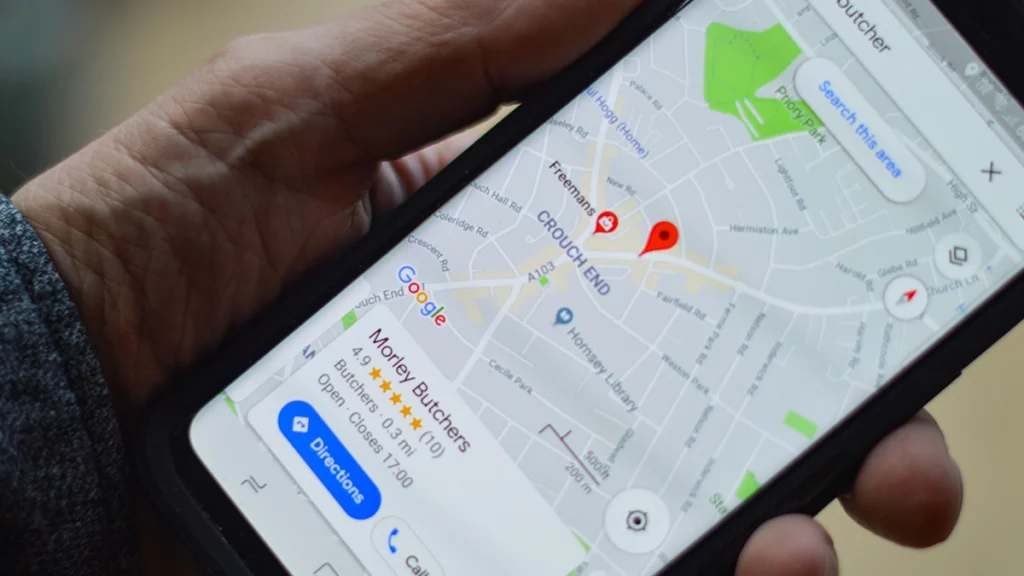

When you run a small business, time and money are rarely unlimited. You can’t be everywhere, post everything and optimise every page while also doing the work your customers pay you for.
That creates a common question: should I use SEO or social media for my small business?
The short answer is that it depends on how people discover and choose a business like yours.
If potential customers already search for your product or service, SEO will usually be the better place to start. If people need to discover your business, see your work or get to know your brand before buying, social media may deserve more attention.
Most small businesses can benefit from both. However, that doesn’t mean you need to split your time and budget equally. In this guide, we’ll compare SEO vs social media for small business marketing and help you decide which one to prioritise.
- SEO vs Social Media: What’s the Main Difference?
- Quick Comparison: SEO vs Social Media
- What Is SEO?
- What Is Social Media Marketing?
- When Should a Small Business Prioritise SEO?
- When Should a Small Business Prioritise Social Media?
- Can You Just Use SEO Instead of Social Media?
- Is SEO Worth It for Small Businesses?
- How Much Time Should a Small Business Spend on SEO?
- What If You Run a Local Business?
- How SEO and Social Media Can Work Together
- How to Choose Between SEO and Social Media
- Final Thoughts
- FAQs
SEO vs Social Media: What’s the Main Difference?
SEO and social media both help people discover your business, but they usually reach them in different situations.
SEO helps you appear when someone actively searches for information, a product or a service. For example, they might search for “accountant for small business”, “wedding photographer near me” or “how much does a new website cost?”
Social media puts your business in front of people while they browse platforms such as Facebook, Instagram, LinkedIn or TikTok. They may not be looking for you at that moment, but the right content can introduce your business, demonstrate what you do and build familiarity over time.
In simple terms:
SEO helps you capture existing demand. Social media can help you create awareness before someone starts searching.
That distinction makes the decision much easier.
Quick Comparison: SEO vs Social Media
| SEO | Social Media | |
|---|---|---|
| Main purpose | Help people find you through search | Build awareness, familiarity and interaction |
| Audience behaviour | Actively searching for an answer, product or service | Browsing, researching or consuming content |
| Speed | Usually takes time to build | Can generate visibility quickly |
| Content lifespan | Useful pages can attract visits for months or years | Most posts have a shorter active lifespan |
| Ongoing requirement | Website improvements, content and monitoring | Regular content, replies and community management |
| Direct cost | No charge for an organic click, but the work takes time or budget | Organic activity takes time; paid campaigns require ad spend |
| Strongest advantage | Reaches people with existing intent | Shows your personality and keeps your brand visible |
| Best measurement | Relevant visibility, website visits, leads and sales | Reach, engagement, enquiries, assisted sales and brand growth |
Neither channel is free. You may not pay for each organic Google click or social media view, but you still need to invest time, content or professional support.
What Is SEO?
SEO stands for search engine optimisation. It covers the work you do to help search engines understand your website and show its pages for relevant searches.
That can include:
- Researching how customers search for your services
- Improving page titles, headings and website copy
- Creating useful service pages and blog posts
- Making your website fast, secure and mobile-friendly
- Improving its structure and internal links
- Earning relevant links and mentions from other websites
- Monitoring performance and updating older content
For local businesses, SEO also includes maintaining an accurate Google Business Profile, collecting genuine reviews and making your services and locations clear.
When done properly, SEO helps suitable customers find you at the point when they’re already looking for what you offer. That intent is its biggest advantage.
If you’re wondering whether search still deserves your attention, our guide asks is SEO dead for small businesses?
What Is Social Media Marketing?
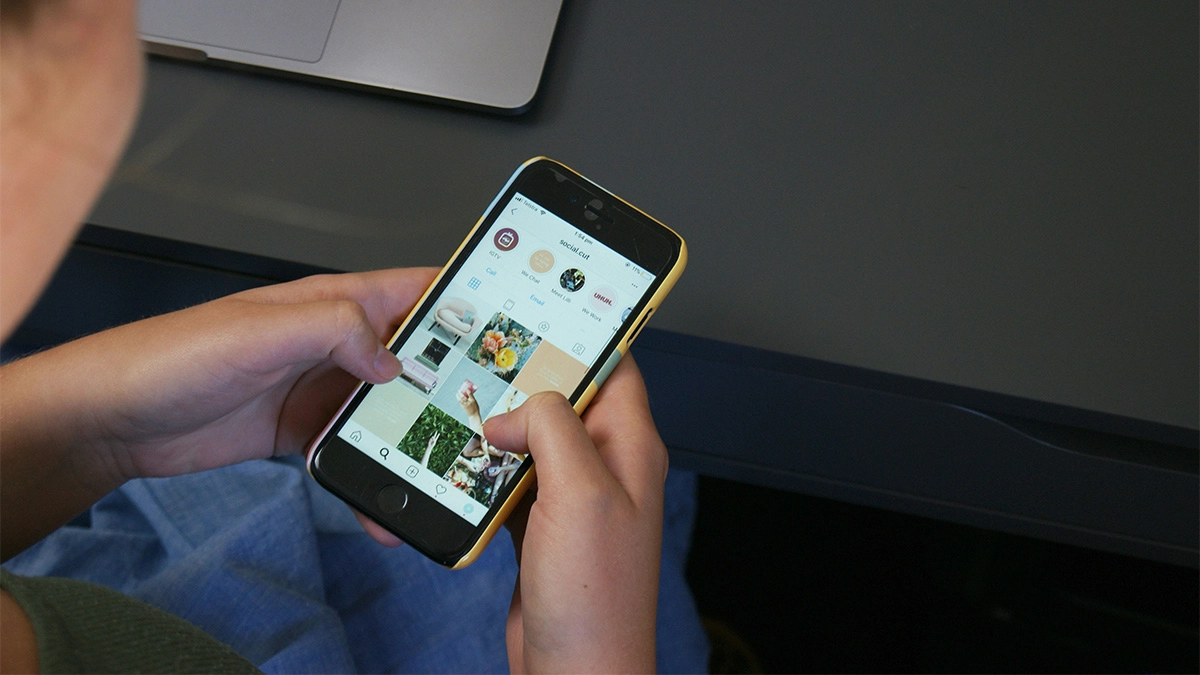
Social media marketing involves using platforms such as Facebook, Instagram, LinkedIn and TikTok to communicate with an audience and support your business goals.
It can include:
- Sharing images, videos, carousels and written posts
- Showing recent work or products
- Answering comments and messages
- Sharing customer stories and reviews
- Building relationships with customers and other businesses
- Running paid advertising campaigns
Social media gives your business a more immediate and human presence. You can show the people behind the brand, respond to questions and share updates that wouldn’t justify a permanent website page.
However, posting for the sake of appearing active isn’t much of a strategy. Your content should have a purpose, whether that’s reaching new people, demonstrating your expertise, starting conversations or sending potential customers to your website.
When Should a Small Business Prioritise SEO?
SEO should usually come first when people already search for the product, service or information you provide.
This often applies to:
- Trades and home services
- Accountants and financial professionals
- Consultants and B2B providers
- Clinics, therapists and appointment-based services
- Website designers and marketing agencies
- Specialist products that customers research before buying
For example, someone with a leaking pipe probably won’t wait for a plumber to appear in their Instagram feed. They’ll search for one. Similarly, a business owner looking for an accountant is likely to compare websites, services and reviews before making contact.
SEO also makes sense when you want to build a source of relevant website traffic over the long term. A useful service page or guide can continue appearing in searches long after you publish it. That doesn’t mean it will rank forever without attention, but it generally has a longer useful life than a typical social post.
Choose SEO first if:
- Customers actively search for what you offer.
- Your website is important to generating enquiries or sales.
- You can invest consistently rather than expecting instant results.
- You want to build useful content and visibility over time.
- Search data shows clear demand for your services.
When Should a Small Business Prioritise Social Media?
Social media deserves more attention when your business benefits from visual content, regular interaction or repeated exposure.
It can work particularly well for:
- Restaurants, cafés and food businesses
- Fitness instructors and gyms
- Hair, beauty and wellbeing brands
- Artists, photographers and other creatives
- Events, venues and community organisations
- Fashion, homeware and lifestyle products
- Businesses built around a founder’s knowledge or personality
Imagine you’re choosing a wedding photographer. Search may help you create a shortlist, but Instagram can show you their style, recent work and personality. In that case, SEO helps the business get discovered while social media helps the customer feel confident about the choice.
Social media may be the better starting point if:
- Customers need to see your work before enquiring.
- Your product is visually interesting or easy to demonstrate.
- Community and repeat engagement matter to your business.
- People don’t always know they need your offer until they see it.
- You can create content and respond consistently.
You don’t need to use every platform. Pick the one or two your customers actually use and give yourself a realistic chance of maintaining them.
Can You Just Use SEO Instead of Social Media?
Yes, some small businesses can rely mainly on SEO, especially when most customers find them through Google and social content has little influence on the buying decision.
A local emergency electrician, for example, may gain more from strong service pages, local visibility and reviews than from posting several times each week. If potential customers have an urgent problem, search intent matters more than building an audience.
However, using SEO as your main channel doesn’t mean every social profile should disappear. A basic, accurate presence can still reassure people who search for your brand after finding your website. Keep your contact details current, use consistent branding and add occasional updates so the account doesn’t look abandoned.
The reverse also applies. A business can generate customers through social media without investing heavily in SEO, particularly in its early stages. But relying entirely on a platform you don’t own carries a risk. Reach can change, accounts can be restricted, and followers don’t automatically become website visitors or email contacts.
So yes, you can prioritise one channel. Just understand what you lose by ignoring the other completely.
Is SEO Worth It for Small Businesses?
SEO can be worth it when there is search demand, your website gives visitors a clear next step, and you’re prepared to treat it as a long-term investment.
It becomes much harder to justify when:
- Very few people search for the type of offer.
- Your website is difficult to use or doesn’t generate enquiries.
- You target extremely competitive national searches without the necessary budget.
- You expect results within a few weeks.
- You measure rankings but never connect them to leads or sales.
Good SEO isn’t about attracting the largest possible number of visitors. It’s about helping the right people find your business when they have a relevant question or need.
Before investing heavily, check how your customers search, what currently appears in the results and whether you can create a genuinely useful page. Our SEO services are built around that practical approach rather than chasing rankings that don’t help the business.
How Much Time Should a Small Business Spend on SEO?
There isn’t a correct number because the workload depends on your website, competition, goals and starting point.
If you manage SEO yourself, setting aside two to four focused hours each week can be a sensible starting point. You might use that time to improve a service page, answer a customer question, update your Google Business Profile or review your Search Console data.
Once the foundations are in better shape, a few hours each month may cover basic monitoring and smaller improvements. However, competitive industries, larger websites and ambitious growth targets will need more consistent work.
The keyword is focused. Two hours improving an important service page will usually achieve more than two hours checking rankings every day or making tiny changes without a plan.
If you outsource your SEO, you’ll still need to contribute knowledge, approve content and share information about the enquiries you receive. Nobody understands your customers and services better than you do.
What If You Run a Local Business?
If your business serves a defined area, local SEO may deserve greater priority than general SEO or social media.
That’s because people often search with clear local intent, using phrases such as “near me”, a town name or a specific area. Google says local results are mainly influenced by relevance, distance and prominence. In other words, Google considers how well a business matches the search, how close it is and how established it appears.
Start with the basics:
- Complete and maintain your Google Business Profile.
- Use the correct business details across your website and listings.
- Create clear pages for your actual services and locations.
- Ask genuine customers for reviews.
- Add useful local information where it supports the reader.
- Earn mentions from relevant local and industry websites.
Social media can still support local awareness, particularly for events, hospitality, community organisations and businesses that produce plenty of visual content. The important point is that “local” doesn’t automatically mean one channel will win. Customer behaviour still decides.
How SEO and Social Media Can Work Together
SEO and social media don’t need to operate as two completely separate jobs.
You can use the same customer insight and original material across both channels. For example:
- Turn a detailed website guide into several shorter social posts.
- Use common social media questions to inspire website content.
- Share case studies in search-friendly and social-friendly formats.
- Promote useful articles to people who may not find them through Google.
- Use search data to understand the language customers use.
- Encourage happy followers and customers to leave genuine reviews.
Social likes and shares don’t automatically increase your website’s Google rankings. However, social media can expose your content to more people, strengthen brand recognition and create opportunities for visits, mentions and links.
The best combined strategy doesn’t mean doubling your workload. Create one strong piece of original content, then adapt it for the places your audience uses.
How to Choose Between SEO and Social Media
If you’re still unsure, answer these questions:
- Are people already searching for what you offer?
If yes, prioritise SEO. - Do customers need to see your product, work or personality?
If yes, social media may play a bigger role. - Do customers make an urgent decision or take time to build trust?
Search often wins for urgent needs. Social content can support longer, relationship-led decisions. - Can you maintain regular social content?
If not, one well-maintained platform is better than four abandoned ones. - Does your website turn visitors into enquiries or sales?
If not, fix that before investing heavily in more traffic. - What can you measure properly?
Track enquiries, calls, bookings and sales – not just rankings, followers or likes.
For many small businesses with limited resources, a sensible starting plan is:
- Build the main SEO foundations on your website.
- Choose one relevant social platform.
- Publish useful website content when you have something worth answering.
- Repurpose that material into social posts.
- Review which channel contributes to real enquiries.
This gives you a balanced presence without pretending you have a full marketing department.
Final Thoughts
So, should you use SEO or social media for your small business?
Start with how your customers behave. If they already search for what you offer, make SEO your priority. If they need to see, discover or become familiar with your business first, put more effort into social media.
In many cases, the best long-term answer is both—but not necessarily in equal amounts. Build solid search foundations, maintain a social presence you can realistically manage and invest more in whichever channel brings you closer to genuine enquiries and sales.
If you’re still unsure where your time and budget will have the biggest impact, get in touch with 404 Marketing. We can review what you already have and help you choose a practical next step, whether that involves SEO, social media or a more joined-up approach.