
AI can now write your website copy, choose a colour palette, create images and build an entire website before you’ve finished your morning coffee. At least, that’s the promise.
It sounds ideal for small businesses and startups. You can avoid a high upfront cost, you don’t need to understand code, and you could have something online within a few hours. However, building a website quickly isn’t the same as building one that represents your business, appears in search results and turns visitors into customers.
So, are AI website builders worth it? The short answer is yes, in the right circumstances. They can be a sensible option for testing an idea, launching a simple website or getting online with a very limited budget. However, they become less suitable when your website needs to generate leads, support long-term growth or give your business a distinctive identity.
Let’s look beyond the impressive demonstrations and get into what AI website builders can genuinely do, where they fall short and how to decide whether one is right for your business.
- What Is an AI Website Builder?
- Why AI Website Builders Are So Appealing
- The First Draft Isn’t the Finished Website
- AI Can Create a Layout, but It Can’t Create Your Strategy
- AI-Generated Designs Can Feel Generic
- The Content Still Needs a Human
- Built-In SEO Tools Aren’t an SEO Strategy
- Lower Cost Doesn’t Always Mean Better Value
- Flexibility and Ownership Matter Later
- When Is an AI Website Builder Worth It?
- When Is an AI Website Builder Not Worth It?
- AI Website Builder vs Professional Web Design
- The Hybrid Approach Often Makes the Most Sense
- Questions to Ask Before Choosing an AI Website Builder
- Final Thoughts: Are AI Website Builders Worth It?
- FAQs
What Is an AI Website Builder?
An AI website builder is an online platform that uses artificial intelligence to help create a website. Instead of starting with a blank page, you usually answer a series of questions about your business, services, preferred style and goals.
The platform then uses your answers to generate elements such as:
- A suggested website structure
- Page layouts
- Colour and font combinations
- Written content
- Stock or AI-generated images
- Contact forms and calls to action
- Basic search engine optimisation settings
You can normally edit the result using a visual website builder. Therefore, you won’t usually need to write any code.
Some platforms use AI mainly to speed up an existing template-based process. Others allow you to describe the website you want using a written prompt. Either way, the technology does much of the initial assembly for you.
If you want to compare individual platforms, our guide to the best AI website builders for small businesses looks at the available options in more detail. This article focuses on the bigger question: whether the AI website builder route makes commercial sense for your business.
Why AI Website Builders Are So Appealing
It isn’t difficult to understand why these tools have become popular. Starting a business involves a long list of costs and decisions. Paying for professional web design can feel difficult to justify before the business has begun generating a reliable income.
AI website builders promise to remove several common barriers.
They’re Quick to Start
An AI builder can produce an initial website in minutes. You can see a layout, edit the text and begin experimenting without waiting for a full design and development process.
That speed can be valuable if you need a temporary online presence, want to validate an idea or have an event approaching. It also removes the intimidation of staring at a completely blank screen.
The Initial Cost Is Lower
Most AI website builders charge a monthly or annual subscription. This makes the initial cost considerably lower than commissioning a custom website.
For a brand-new business with limited cash flow, that difference matters. A lower entry cost can allow you to put money into stock, equipment, advertising or other immediate priorities.
You Don’t Need Technical Experience
Hosting, design and editing tools usually sit within the same platform. As a result, you don’t need to understand servers, content management systems or code before you begin.
Many platforms also handle technical maintenance, software updates and security at platform level. That convenience is a genuine benefit, particularly for a business owner who wants a straightforward website and doesn’t want to manage the technical side.
They Can Help You Develop an Idea
Even if you don’t publish the generated website, the process can help clarify what you need. Seeing suggested pages and layouts often makes it easier to decide what you like, what you dislike and what information your customers might need.
In that sense, AI can work well as a starting point. The problem begins when a starting point gets mistaken for a finished marketing tool.
The First Draft Isn’t the Finished Website
AI website builder demonstrations often make the process look almost instant. You enter a prompt, click a button, and a polished homepage appears.
However, that’s usually the first draft – not a finished business website.
Before you launch, you still need to:
- Check every statement for accuracy.
- Replace generic text with information specific to your business.
- Select suitable photographs.
- Explain what makes you different.
- Add testimonials, case studies or other trust signals.
- Check the website on different screen sizes.
- Test forms, buttons and links.
- Set up analytics and search tools.
- Review privacy, cookie and data requirements.
- Optimise each page for relevant searches.
- Make sure visitors know what to do next.
The builder may save time during setup, but it doesn’t remove the need for planning, decision-making and testing. If you’ve never built a website before, some of those decisions can take much longer than expected.
This is the first truth that gets lost in the marketing: AI can generate a website, but it can’t automatically understand everything your website needs to achieve.
AI Can Create a Layout, but It Can’t Create Your Strategy
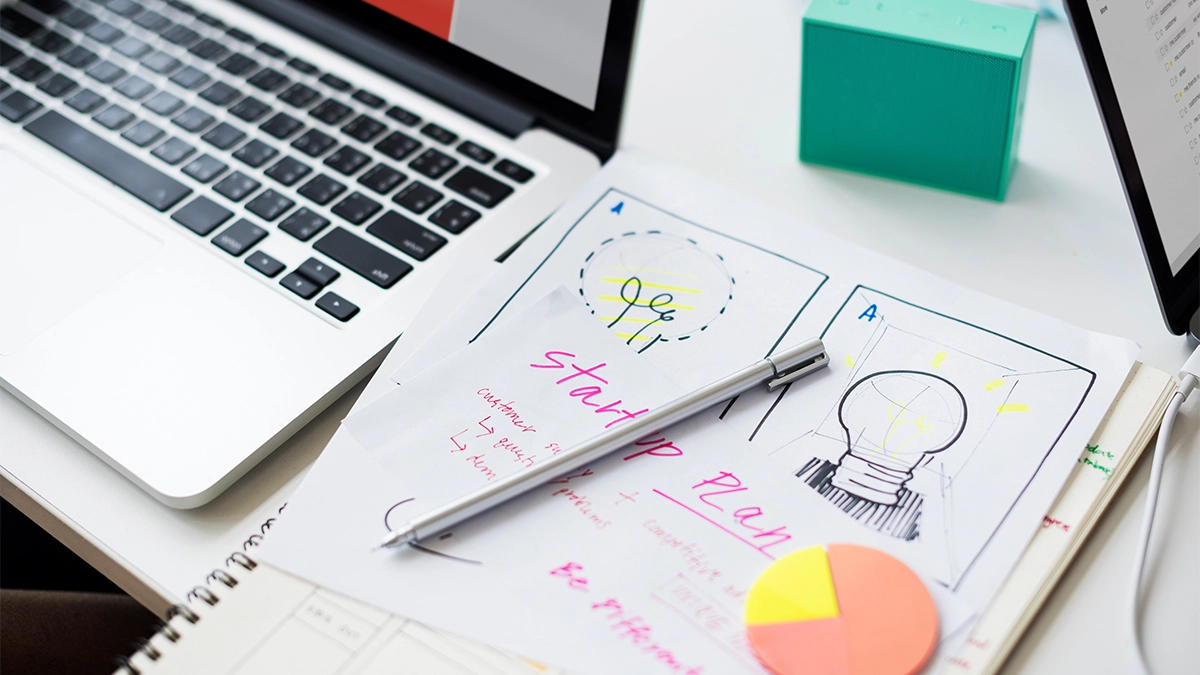
A successful website starts with a clear purpose. Do you want people to request a quote, book an appointment, visit your shop, buy a product or join a mailing list?
The answer should influence every part of the website, including its structure, content and calls to action.
An AI builder can arrange sections that commonly appear on business websites. It may add a hero banner, a services grid, an about section and a contact form. Visually, the result might look perfectly respectable.
However, it won’t necessarily know:
- Which service is most profitable for you
- Why customers choose you over a competitor
- What normally stops someone from making an enquiry
- Which questions customers ask before they buy
- Whether visitors need to see a price, process or case study first
- Which action matters most on each page
These aren’t design questions. They’re business and marketing questions.
Without that thinking, you can end up with a website that looks professional but doesn’t guide anyone towards taking action. Our guide on how to use your website to generate leads explains some of the practical elements that turn a basic online presence into a useful marketing tool.
AI-Generated Designs Can Feel Generic
AI website builders work quickly because they draw from established layouts, design patterns and templates. That can help them create something tidy and familiar. However, it can also produce a website that feels very similar to hundreds of others.
For some businesses, that isn’t a major concern. A newly self-employed tradesperson may simply need a clear website containing services, locations, reviews and contact details. Original design might sit lower down the priority list.
However, presentation matters more when customers compare several similar businesses. Your website needs to communicate your personality, values and positioning – not simply show that your business exists.
This is particularly important for creative companies, premium services and businesses in crowded markets. If the design, imagery and wording all feel generic, visitors have little reason to remember you.
Strong branding gives the builder better ingredients to work with. Clear colours, fonts, imagery, messaging and tone can improve an AI-generated website considerably. Without those foundations, the AI has to fill the gaps with safe, predictable choices.
The Content Still Needs a Human
AI-generated copy solves one immediate problem: it fills the empty spaces on the page. Unfortunately, filling space isn’t the same as communicating clearly.
Website builders often produce copy that sounds polished but says very little. You may see phrases such as “tailored solutions”, “exceptional service” and “committed to excellence”. None of those claims are necessarily wrong, but almost any business could make them.
Useful website copy should explain:
- What you offer
- Who it’s for
- Which problem it solves
- How your approach works
- Why someone should trust you
- What the visitor should do next
AI doesn’t automatically know the answers. It only knows what you tell it, and it may confidently make assumptions to fill any missing information. Therefore, you need to review every sentence carefully.
The best approach is to use AI for structure, questions and early drafts while adding your own knowledge. Include genuine examples, specific details, customer language and the little bits of personality that make the business feel human.
If the words don’t sound like something you would say to a customer, they probably don’t belong on your website.
Built-In SEO Tools Aren’t an SEO Strategy
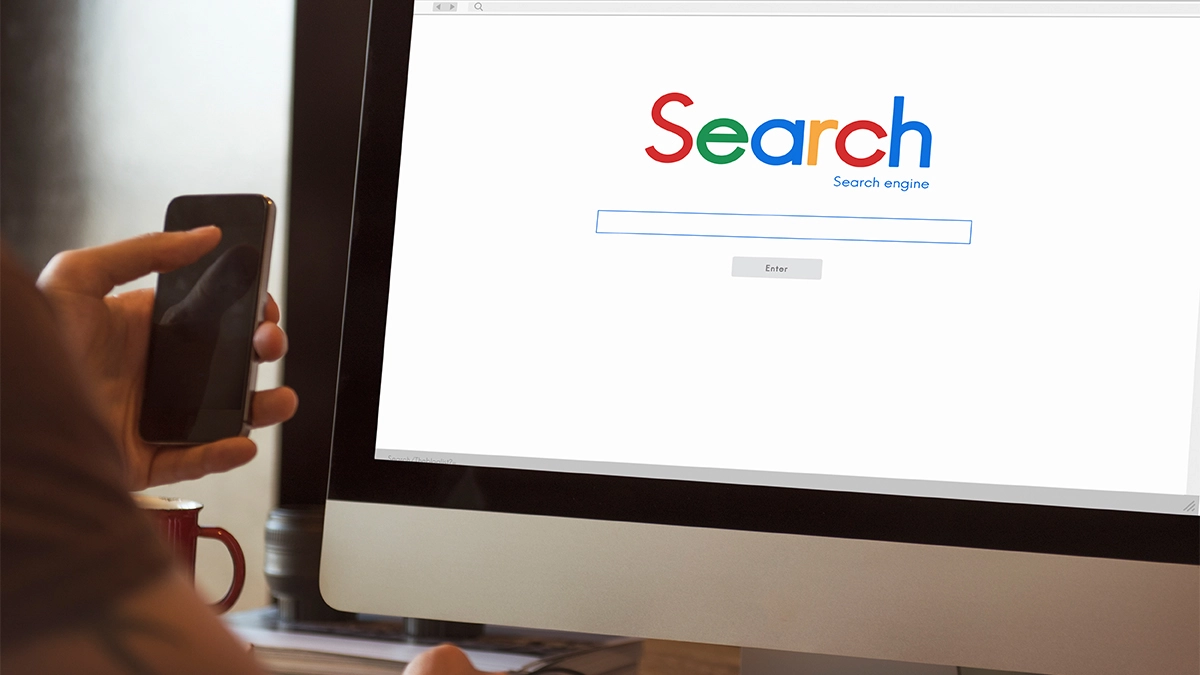
Most established website builders now include basic SEO controls. They may let you edit page titles, meta descriptions, image alt text and URLs. Some also provide checklists or use AI to suggest keywords.
Those features are useful. However, having access to SEO settings isn’t the same as having an SEO strategy.
Before optimising a page, you need to understand what potential customers search for and what they expect to find. You then need to decide which page should target each topic, create genuinely useful content and connect related pages logically.
Technical quality matters too. Search performance can be affected by page speed, mobile usability, crawlability, duplicate pages, website structure and the way content is rendered. An attractive AI-generated homepage won’t automatically deal with all of that.
In simple terms, AI can help you complete SEO tasks. It can’t guarantee that you’ve chosen the right tasks in the first place.
If organic visibility will play an important role in growing the business, check how much control the platform gives you before committing. Alternatively, professional SEO support can help you build a clearer strategy around the website you already have.
Lower Cost Doesn’t Always Mean Better Value
AI website builders usually cost less upfront than professional web design. However, it’s important to compare the full value rather than the first payment.
Your actual investment may include:
- The platform subscription
- A custom domain
- Business email
- Paid apps or integrations
- E-commerce or booking upgrades
- Premium templates or image licences
- Your time learning and editing the platform
- Professional help if you get stuck
- Rebuilding costs if you later move elsewhere
The highest hidden cost is often your time. A builder might generate the first version in ten minutes, but refining the design, writing the copy, sourcing images and fixing mobile layouts could consume several evenings or weekends.
That doesn’t automatically make the DIY route a bad decision. Your time may be a reasonable investment if cash is tight and you enjoy working on the website. However, it needs to be part of the calculation.
Ask yourself what else you could do with those hours. If working with customers, developing products or generating sales would create more value, the cheapest platform may not be the cheapest option for the business as a whole.
For a wider look at budgets, read our guide to affordable web design options for startups.
Flexibility and Ownership Matter Later
When you start building, you’ll probably focus on what the website needs today. However, your business may need something very different in two or three years.
You might want to add:
- Online bookings
- E-commerce
- Customer accounts
- Membership content
- Bespoke quote forms
- CRM or email marketing integrations
- Location-specific landing pages
- A large advice or resource section
Before choosing a builder, check whether it can support those plans. Also find out whether you can export the website if you decide to leave.
Many hosted website builders are closed platforms. You own your business content, but you may not be able to pick up the complete website and move it to another host. In practice, changing platforms can mean rebuilding the design and structure elsewhere.
That trade-off isn’t automatically unfair. The platform provides the editor, hosting, maintenance and connected features as one service. Nevertheless, you should understand the limitation before investing years of content and SEO work into it.
A flexible platform such as WordPress usually gives you more control over hosting, design and future development. However, it also needs to be set up and maintained properly. Our comparisons of WordPress vs Wix and WordPress vs Squarespace explore those trade-offs in more detail.
When Is an AI Website Builder Worth It?
An AI website builder can be worth it when your requirements are simple, and your expectations are realistic.
It may be a good option if:
- You need a basic website quickly.
- You’re testing a new business idea.
- Your budget is currently very limited.
- The website only needs a few straightforward pages.
- Most customers find you through referrals or offline activity.
- You’re comfortable writing, editing and maintaining the content.
- You don’t need unusual features or integrations.
- You accept that the website may need rebuilding as the business grows.
For example, imagine you’re testing a new consultancy alongside your existing job. You need a homepage, an explanation of the service, a short biography and a contact form. An AI builder could help you launch a credible first version without making a large financial commitment.
In that situation, speed and affordability may matter more than complete creative freedom.
When Is an AI Website Builder Not Worth It?
The limitations become more significant when the website carries more responsibility for the business.
An AI website builder may not be the right choice if:
- Your website needs to generate a steady flow of enquiries.
- Search engine visibility is central to your marketing plan.
- You operate in a competitive local or national market.
- Your brand needs to feel distinctive or premium.
- You sell a large or complex range of products.
- You need custom functionality or several integrations.
- Accessibility or compliance requirements are particularly important.
- You expect the website to grow significantly.
- You don’t have time to write, test and improve it yourself.
In these situations, the value of a professional isn’t simply their ability to assemble a webpage. It’s their ability to ask the right questions, organise information, challenge assumptions and build around your customers.
If you do decide to seek professional help, our guide on how to choose a web designer covers what to look for before you commit.
AI Website Builder vs Professional Web Design
There isn’t one correct option for every small business. The right choice depends on the job your website needs to do.
| Consideration | AI Website Builder | Professional Web Design |
|---|---|---|
| Upfront cost | Usually lower | Usually higher |
| Launch speed | Potentially very quick | Requires a planned process |
| Your time | Significant DIY input may be needed | Much of the work is managed for you |
| Design | Based on templates and generated patterns | Can be created around your brand |
| Strategy | Relies heavily on your instructions | Should include business and customer planning |
| SEO | Basic tools may be included | Can be considered throughout the project |
| Flexibility | Depends on the platform | Depends on the chosen system and build |
| Support | Help centres, chatbots or platform support | Direct advice from the designer or agency |
| Best suited to | Simple sites, tests and tight budgets | Businesses relying on their website for growth |
The important thing is to compare like with like. An AI builder subscription buys access to a tool. A professional web design project should buy planning, judgement, creative work, setup, testing and support as well as the website itself.
The Hybrid Approach Often Makes the Most Sense

You don’t necessarily have to choose between using AI for everything and avoiding it completely.
AI can be extremely useful within a human-led website project. For example, it can help you:
- Organise rough notes before writing a page.
- Explore alternative headings.
- Create an initial list of customer questions.
- Summarise lengthy service information.
- Generate placeholder copy during planning.
- Brainstorm blog topics.
- Speed up repetitive administrative tasks.
However, a person should still check the facts, refine the message and make the final decisions. Think of AI as a capable assistant rather than the person responsible for your entire online presence.
The same applies if you build the site yourself. You could use an AI builder for the first version, then ask a designer, copywriter or SEO specialist to review the areas where you need support.
If you already have an AI-built website and aren’t sure how well it’s working, a free website audit can help identify issues with search visibility, speed, mobile usability and user experience.
Questions to Ask Before Choosing an AI Website Builder
Before signing up for a long-term plan, answer these questions:
- What is the main purpose of my website?
- How will people find it?
- What action do I want visitors to take?
- Can this platform support the features I need now?
- Can it support the features I may need later?
- How much control do I have over SEO settings and URLs?
- Can I export my content or move the website elsewhere?
- What will the subscription cost after any introductory offer ends?
- Which important features require paid upgrades?
- Who will write, check and update the content?
- How much time can I realistically give to building it?
- What support is available if something goes wrong?
If you can answer those questions confidently, you’ll be in a much better position to choose a platform based on your needs rather than its most impressive demonstration.
Final Thoughts: Are AI Website Builders Worth It?
AI website builders aren’t a scam, and they aren’t going to make professional web design irrelevant. They’re tools – and like any tool, their value depends on what you need them to do.
For a simple first website, a temporary landing page or a low-risk business test, an AI builder can be a practical and affordable choice. It can remove technical barriers and help you get an idea online quickly.
However, the website it generates won’t automatically understand your customers, build your brand, plan your SEO or create a persuasive route towards an enquiry. Those results still depend on the thought, knowledge and effort behind the website.
So, are AI website builders worth it? Yes, when you need a straightforward tool and understand its limitations. If your website will play a major role in generating business, investing in strategy and professional input is likely to deliver better long-term value.
At 404 Marketing, we create custom WordPress websites around your business, brand and customers. We’re also happy to offer honest advice if you’re unsure whether you need a professionally designed website yet. Sometimes an AI builder will genuinely be enough. Sometimes it won’t. The important thing is choosing the right option before you spend your time and money.