Choosing a web designer can feel overwhelming.
A quick Google search returns hundreds of agencies, freelancers and DIY website builders, all claiming they’ll create the perfect website. The problem is that a good-looking website doesn’t automatically generate enquiries, sales or customers.
Your website is an investment in your business. Done properly, it becomes your best salesperson, working around the clock to build trust and encourage people to get in touch. Done badly, it becomes an expensive online brochure that nobody visits.
So, how do you choose a web designer that genuinely understands your business and can build a website that delivers results?
In this guide, we’ll walk you through what to look for, what questions to ask, and the warning signs to avoid before making your decision.
- Why Choosing the Right Web Designer Matters
- Start by Defining What You Want
- Look Beyond the Homepage
- Check Whether They Understand SEO
- Ask About Their Design Process
- Find Out Who Owns the Website
- Don't Choose Based on Price Alone
- Read Reviews and Testimonials
- Ask What Happens After Launch
- Make Sure You Can Update the Website
- Look for Experience in Your Industry (But Don't Make It Essential)
- Communication Is More Important Than You Think
- Ask What Makes Them Different
- Warning Signs to Watch Out For
- Questions to Ask Before Hiring a Web Designer
- Choosing a Local Web Designer
- Our Approach
- FAQs
- Final Thoughts
Why Choosing the Right Web Designer Matters
Many businesses redesign their websites only every five to ten years. That means the decision you make today could affect your business for years to come.
A good web designer doesn’t just think about colours, fonts and layouts. They consider:
- Your business goals
- Your ideal customers
- User experience
- Search engine optimisation (SEO)
- Website speed
- Accessibility
- Mobile usability
- Future growth
The end result should be a website that helps your business grow, and not one that simply looks impressive.
Start by Defining What You Want
Before speaking to any designer, spend some time deciding what success looks like.
Ask yourself:
- Do you want more enquiries?
- Are you selling products online?
- Do you need customers to book appointments?
- Are you trying to improve your Google rankings?
- Does your current website simply look outdated?
The clearer you are about your objectives, the easier it’ll be for a designer to recommend the right solution.
If your answer is simply, “I need a new website,” you’re likely to end up paying for features you don’t actually need.
Look Beyond the Homepage
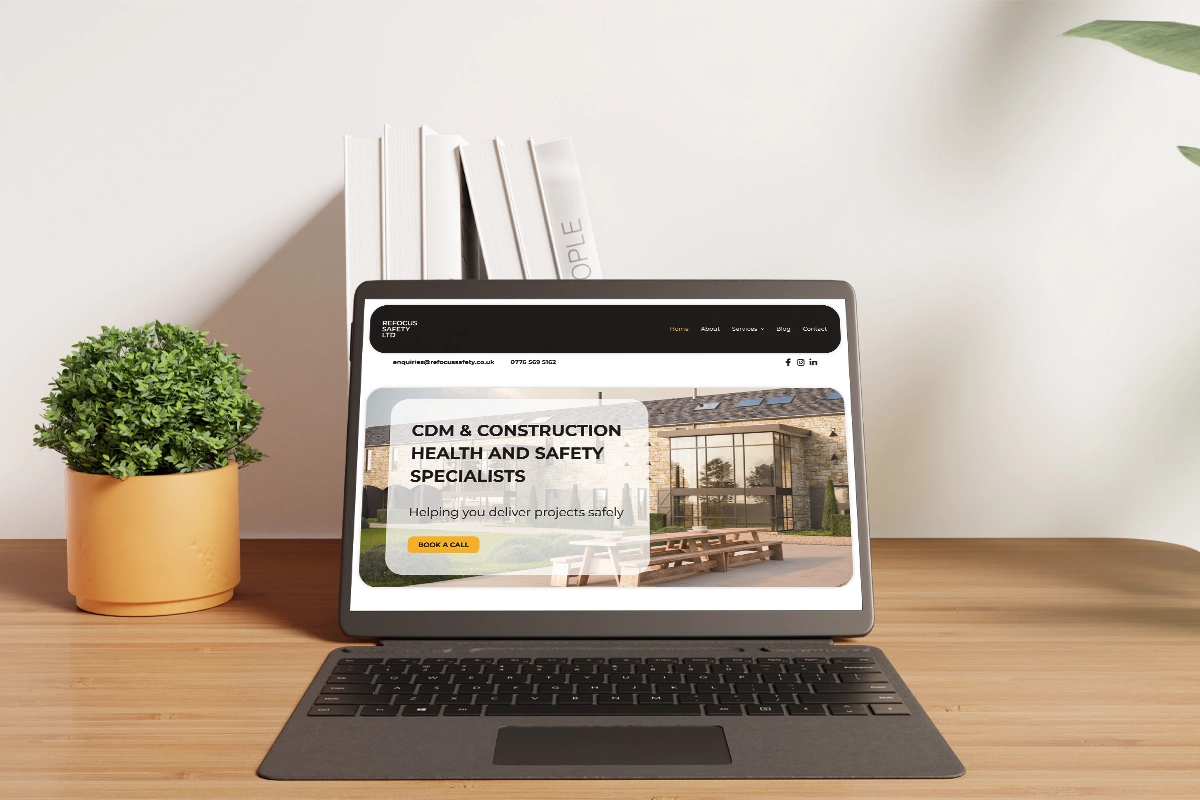
It’s easy to be impressed by a beautiful homepage. But a website should be judged on far more than its appearance.
Take time to browse a designer’s portfolio properly.
Look for:
- Mobile-friendly layouts
- Easy navigation
- Fast-loading pages
- Clear calls to action
- Consistent branding
- Well-structured content
Then go one step further, and visit the websites they’ve built.
Ask yourself:
- Would I trust this business?
- Is it easy to find information?
- Could I quickly contact them?
- Does everything feel professional?
If the answer is yes, you’re looking at much more than good design.
Check Whether They Understand SEO
One of the biggest mistakes businesses make is choosing a designer who only focuses on appearance.
A beautiful website that nobody can find won’t generate many enquiries, so ask if SEO is considered during the build.
A good web designer should think about:
- Page speed
- Mobile responsiveness
- Heading structure
- Meta titles and descriptions
- Internal linking
- Image optimisation
- Technical SEO
- Local SEO opportunities
You shouldn’t have to rebuild your website later because SEO wasn’t considered from the start.
Ask About Their Design Process
Every web designer works differently.
A structured process usually leads to a smoother project and a better result.
Typical stages might include:
- Discovery meeting
- Research
- Wireframes or planning
- Design
- Development
- Testing
- Launch
- Ongoing support
Understanding their process helps you know what to expect and avoids misunderstandings later.
Find Out Who Owns the Website
This is an important question that many businesses forget to ask.
Once your website is finished, you should know:
- Who owns the website?
- Who owns the domain?
- Can you move hosting elsewhere?
- Can another developer work on the website later?
Some companies lock clients into their systems, making it difficult or expensive to leave.
A good web designer should be transparent about ownership from the beginning.
Don’t Choose Based on Price Alone
Everyone has a budget, but the cheapest quote rarely offers the best value.
A low-cost website may:
- Use generic templates
- Ignore SEO
- Be difficult to update
- Load slowly
- Offer little support after launch
On the other hand, the most expensive option isn’t automatically the best either.
Instead, think about value.
If a website helps generate just one extra customer each month, it could pay for itself surprisingly quickly.
Read Reviews and Testimonials
Reviews give you a good indication of how a designer works once the contract has been signed.
Look for comments about:
- Communication
- Reliability
- Meeting deadlines
- Ongoing support
- Problem solving
If multiple clients mention the same strengths, that’s usually a good sign.
Even better, ask if you can speak to one of their previous clients.
Ask What Happens After Launch
Launching a website isn’t the end of the journey.
Websites need:
- Security updates
- Plugin updates
- Backups
- Performance monitoring
- Content updates
- SEO improvements
Ask whether ongoing maintenance is available.
Some businesses prefer to manage everything themselves, while others want a designer who’ll continue supporting them.
Neither option is wrong; it simply depends on what suits your business.
Need help with maintenance for your website?
Check out our website maintenance service
Make Sure You Can Update the Website
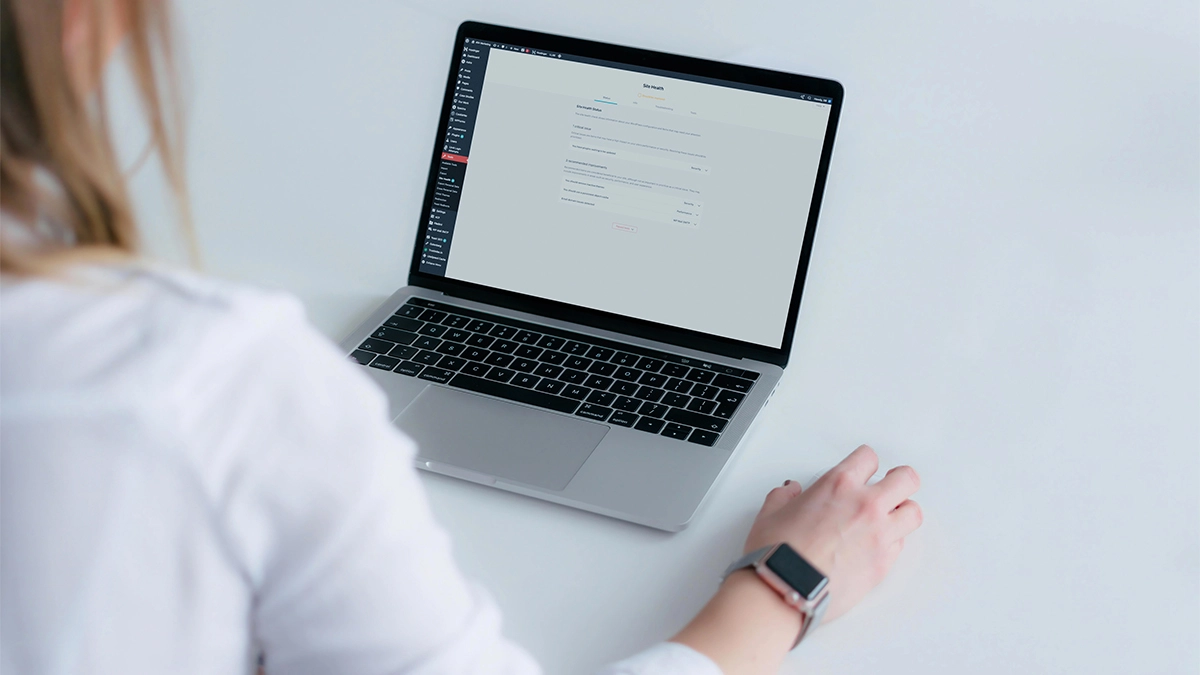
You shouldn’t need to contact your designer every time you want to change a phone number or upload a new photo.
Ask whether the website includes an easy-to-use content management system (CMS).
For most businesses, WordPress remains one of the best options because it allows you to manage your own content without needing technical knowledge.
That said, the website should also be built in a way that makes editing straightforward.
If updating your website feels complicated, chances are you’ll stop doing it altogether.
Look for Experience in Your Industry (But Don’t Make It Essential)
Some businesses only want a designer with experience in their industry.
While this can help, it shouldn’t be the deciding factor.
A good designer understands how to:
- Research your market
- Understand your customers
- Build trust
- Create a clear user journey
These skills apply across almost every industry, so instead of focusing purely on sector experience, ask how they’ll learn about your business before designing your website.
Communication Is More Important Than You Think
You’ll probably spend several weeks, or even months, working together.
If communication is poor before you’ve signed anything, it’s unlikely to improve later.
Notice things like:
- If they reply promptly?
- Have they explained things clearly?
- Do they avoid technical jargon?
- Do they listen to your ideas?
A successful website project is a collaboration, so you should feel comfortable asking questions throughout the process.
Ask What Makes Them Different
Every web designer says they build great websites, but dig a little deeper.
Ask questions like:
- What makes your approach different?
- How do you measure success?
- What happens if I need help later?
- How do you improve conversions?
- How do you approach SEO?
The answers will often tell you far more than their portfolio.
Warning Signs to Watch Out For
Not every web designer is the right fit.
Here are a few red flags worth paying attention to.
They Promise Instant Google Rankings
Nobody can guarantee first-page rankings.
SEO takes time, competition varies, and Google constantly updates its algorithms.
Be cautious of anyone promising guaranteed results.
They Don’t Ask About Your Business
If the first conversation revolves around colours and layouts, something’s missing.
A good designer should ask about your:
- Customers
- Competitors
- Goals
- Services
- Marketing
Understanding your business should come before designing the website.
Their Own Website Is Poor
It sounds obvious, but check their own website carefully.
If it loads slowly, contains spelling mistakes or looks outdated, ask yourself why.
Would you trust a mechanic with a broken-down car?
Everything Looks the Same
A portfolio where every website follows the exact same layout may suggest they’re using templates rather than creating something tailored to each client.
There’s nothing wrong with consistency, but every business should still have its own identity.
Questions to Ask Before Hiring a Web Designer
Before making your decision, ask these questions:
- What’s included in the price?
- How long will the project take?
- Will my website be mobile-friendly?
- Is SEO included?
- Who writes the content?
- Can I update the website myself?
- What happens after launch?
- Who owns the website?
- Are there any ongoing costs?
- Can I see examples of similar projects?
The answers will help you compare designers more fairly.
Choosing a Local Web Designer
Many businesses prefer working with someone local.
While video meetings make location less important than it once was, there are still advantages to choosing a nearby agency.
A local web designer is more likely to:
- Understand your local market
- Know the competition
- Be available for face-to-face meetings
- Help with local SEO
- Build relationships over the long term
If you’re based in Nottinghamshire, our Newark web design service focuses on creating bespoke websites that help local businesses generate more enquiries and grow online.
Likewise, businesses in Lincolnshire can learn more about our Grantham web design service, where we build custom WordPress websites designed around your business goals rather than off-the-shelf templates.
Whether you’re looking for a completely new website or replacing an outdated one, working with someone who understands your local area can often make the process much smoother.
Our Approach
We believe your website should do more than simply look good.
Every project starts by understanding your business, your customers and what success looks like.
From there, we build websites that are:
- Fast
- Mobile friendly
- Easy to manage
- Optimised for SEO
- Designed to generate enquiries
- Built to grow with your business
We won’t recommend features you don’t need, and we won’t disappear once the website goes live.
Instead, we aim to become a long-term partner that helps your website continue performing well.
FAQs
Final Thoughts
Learning how to choose a web designer isn’t about finding the cheapest quote or the flashiest portfolio.
It’s about finding someone who understands your business, communicates well, and builds websites with your customers in mind.
Take your time, ask plenty of questions, and don’t be afraid to compare different options.
Your website is one of your most valuable marketing tools. Choosing the right person to build it can make a genuine difference to how your business grows over the coming years.
If you’re looking for a local web designer, we’d love to chat.
Whether you’re interested in our Newark web design services or our Grantham web design services, we’re always happy to offer honest advice and help you decide what will work best for your business.