With TikTok dominating attention, AI writing half the internet, and inboxes overflowing… it’s a fair question: is email marketing dead in 2026?
The short answer? No.
But the old way of doing it absolutely is.
If you’re blasting generic promotions to a cold list and wondering why nothing converts, that approach is finished.
Let’s break down what’s actually happening.
- Why People Think Email Marketing Is Dead
- The Reality in 2026
- What Actually Died
- Why Email Still Works for Small Businesses
- What Kind of Emails Should Small Businesses Send?
- Tools to Get You Started (Without the Headache)
- What Can People Do to Start Building Their Email List?
- Common Mistakes to Avoid
- Final Thoughts
Why People Think Email Marketing Is Dead
Let’s face it, your inbox is probably a mess. Hundreds of unread newsletters, promotions, and follow-ups that you’ll “get to later.”
So it’s easy to assume that your customers feel the same. And maybe they do. But that doesn’t mean email marketing is useless. It just means lazy email marketing doesn’t work anymore.
There are a few reasons this debate keeps resurfacing:
- “No one opens emails anymore.”
- “Everything’s on social media now.”
- “AI writes everything. It all feels the same.”
- “Email lists are expensive and hard to grow.”
And yes, inbox fatigue is real.
But here’s what most people miss: email isn’t dying, low-effort marketing is.
The Reality in 2026
Despite the noise:
- Businesses still generate strong ROI from email
- Open rates across many industries sit around 30%+
- Email remains one of the highest-converting channels
If email was dead, companies wouldn’t keep investing in it., and they are.
What Actually Died
If anything died in 2026, it’s this:
- Mass, untargeted email blasts
- Spammy subject lines
- Over-designed templates with no substance
- Adding people to lists without consent
Consumers are sharper and expectations are higher. Email marketing hasn’t disappeared, it’s matured.
Why Email Still Works for Small Businesses
Now that we’ve covered what’s changed, let’s talk about what still makes email marketing incredibly valuable, especially for small businesses and startups.
1. You Own Your Email List
Social media algorithms change constantly. Platforms come and go. But your email list is yours. It’s one of the only digital assets you fully control.
Building a list gives you direct access to your customers, no matter what happens with Facebook, Instagram or TikTok.
2. It’s Still the Highest-ROI Channel
Compared to paid ads or SEO (which can take months), email marketing often delivers quicker results with lower investment.
A single email campaign can:
- Drive traffic to your website
- Promote a sale or service
- Bring back lapsed customers
- Boost repeat purchases
And once it’s set up, it’s low-maintenance.
3. It Builds Relationships Over Time
Social posts come and go. But email allows for a deeper, ongoing connection. You can use it to:
- Educate new customers
- Share stories about your business
- Provide helpful tips that keep you top of mind
- Introduce new products and services
When done right, email turns first-time buyers into loyal fans.
What Kind of Emails Should Small Businesses Send?
You don’t need to be sending emails every day, or even every week. Start simple and focus on value.
Here are a few email ideas that work in 2026:
- Welcome Emails:
Introduce yourself. Set expectations. Offer something useful. - Customer Stories:
Share testimonials or before-and-after results. - Promotions and Offers:
Use sparingly. Make it feel exclusive or time-limited. - Helpful Content:
Send blog posts, guides, or tips that solve problems. - Seasonal Reminders:
Tie emails into holidays, industry trends or events. - Re-Engagement Emails:
Check in with customers who haven’t bought or opened emails in a while.
Tools to Get You Started (Without the Headache)
Not sure where to begin? There are plenty of user-friendly tools perfect for small businesses:
- Mailchimp – Easy to use, free plan available
- MailPoet – Great for WordPress users
- MailerLite – Affordable and simple
- Kit – Designed for creators and small business owners
Most platforms offer drag-and-drop builders, templates, and automation features to make your life easier.
What Can People Do to Start Building Their Email List?
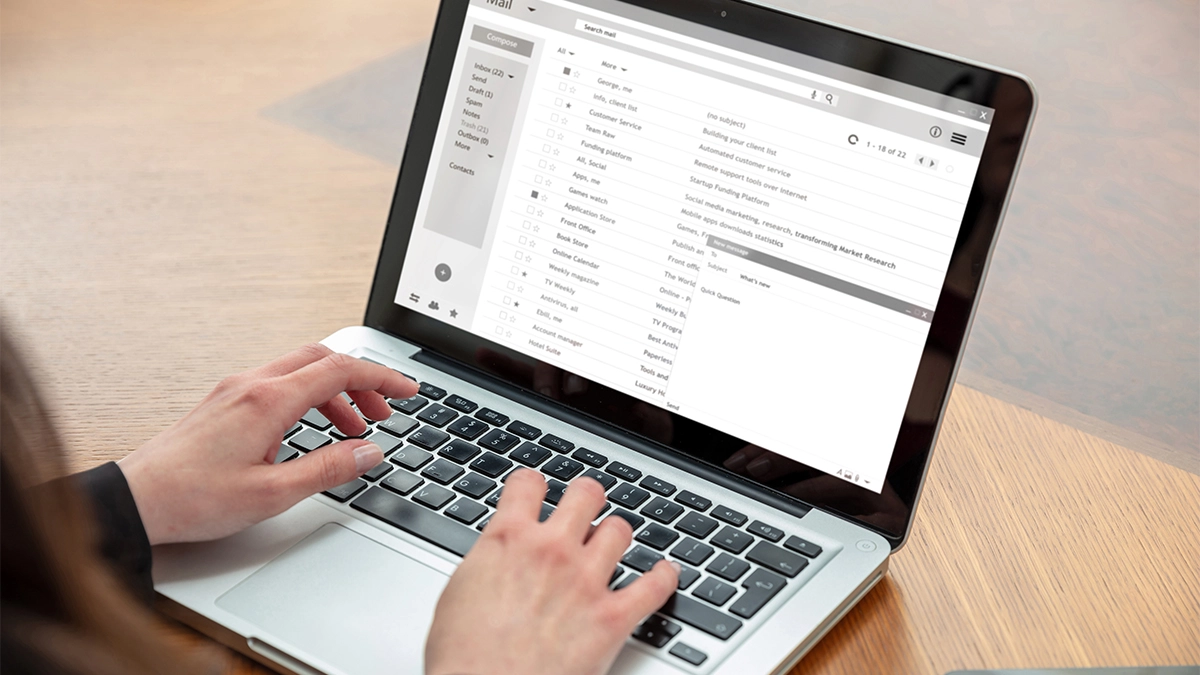
Building an email list can feel daunting at first, but it’s actually quite simple when you focus on value and trust. Here’s how to get started:
- Add Sign-Up Forms to Your Website:
Make it easy for people to join your list. Keep it short, just ask for a name and email to start. - Offer a Freebie or Incentive:
People are more likely to sign up if they get something in return. This could be a discount code, downloadable content or a free trial. - Use Pop-Ups (Sensibly):
Pop-ups can be annoying if overused, but when timed well, they work. Try exit-intent pop-ups or delay triggers (e.g. after 30 seconds on a page). - Collect Emails at Checkout or Enquiry:
If you sell online or offer services, add a tick-box at checkout or on your contact form for users to opt into marketing emails. - Promote Your List on Social Media:
Remind your social followers they can get extra value by signing up to your email list. Link to your sign-up form in your bio or stories. - Use QR Codes in Real Life:
Running a stall, speaking at an event, or posting flyers? Add a QR code linking to your sign-up page. It’s an easy way to collect emails offline.
Common Mistakes to Avoid
Email marketing can be powerful, but only if you avoid a few common traps. Here’s what small businesses often get wrong (and how to fix it):
- Adding People Without Permission:
Never add people to your email list without their consent. It’s not just bad practice, it’s illegal under GDPR. Always use double opt-ins or clear sign-up forms. - Sending Too Often (or Not Enough):
Bombarding people with emails every few days will lead to unsubscribes. But going quiet for months makes people forget who you are. Find a balance, 1–2 emails per month is a good starting point. - Ignoring Mobile Optimisation:
Over 60% of emails are opened on phones. If your email doesn’t look good on mobile, it’ll be deleted fast. Use responsive templates and keep text readable. - Being Too Salesy:
If every email is “Buy Now!” or “50% Off!”, people will tune out. Instead, focus on helping first, educate, inspire, or entertain. Then promote when it feels natural. - Using Vague Subject Lines:
If your subject line doesn’t spark curiosity or offer value, your email won’t get opened. Avoid spammy terms like “You won’t believe this!” and focus on being clear and useful. - Not Measuring Results:
If you don’t track what works, you won’t improve. Monitor open rates, click rates, and unsubscribes. Small tweaks (like subject lines or send times) can make a big difference.
Final Thoughts
Email marketing in 2026 is less about selling and more about connecting. For small businesses and startups, that’s actually a good thing. You don’t need a huge list, big budget or fancy design team. You just need to show up with value and a clear message.
If you’re not sure how to start, or your current emails are getting no love, let’s talk. At 404 Marketing, we help small businesses build email strategies that work (and won’t get ignored).