If you’re thinking about getting a new website, one of the first questions you’ll probably ask is how much does a business website cost?
The honest answer is: it depends.
A basic brochure website could cost a few hundred pounds, while a professionally designed website that generates enquiries could cost several thousand. The difference isn’t just the number of pages or how good it looks. It’s about what the website is designed to achieve.
For most local businesses, your website is often the first impression someone has of your company. Whether you’re a plumber, accountant, solicitor, electrician or tradesperson, potential customers are judging your business long before they pick up the phone.
In this guide, we’ll break down exactly what affects website pricing, what you should expect to pay, and how to make sure you’re investing in a website that actually helps your business grow.
- Average Website Costs for Local Businesses
- What Affects the Cost of a Business Website?
- The Ongoing Costs of a Website
- Why Are Some Websites So Cheap?
- Why Are Some Websites More Expensive?
- DIY Website Builders vs Professional Web Designers
- What Should a Local Business Expect to Pay?
- Don't Just Compare Prices
- Questions to Ask Before Hiring a Web Designer
- A Website Should Be an Investment, Not an Expense
- FAQs
- Final Thoughts
- Looking for a Local Web Designer?
Average Website Costs for Local Businesses
Let’s start with some typical price ranges.
| DIY website builders | £0 – £40/month |
| Freelancer | £500 – £2,000 |
| Small web design agency | £1,200 – £5,000 |
| Bespoke agency website | £5,000+ |
At first glance, that’s a huge range, because every business has different requirements.
A local window cleaner probably doesn’t need the same website as an estate agent with hundreds of property listings. Likewise, a café doesn’t have the same needs as an accountant offering multiple specialist services.
The important question isn’t “What’s the cheapest website?”
It’s “What does my business actually need?”
What Affects the Cost of a Business Website?
Several factors influence how much your website will cost.
Number of Pages
More pages generally mean more time designing, writing and building.
A simple five-page website costs considerably less than a twenty-page website with multiple service pages, FAQs, case studies and location pages.
However, don’t assume more pages are always better.
A smaller website that’s well structured often performs better than a large website filled with unnecessary content.
Custom Design vs Templates
Many cheaper websites use an off-the-shelf template, and while there’s nothing inherently wrong with templates, they usually come with limitations.
A custom-designed website allows you to:
- Match your branding
- Improve the user journey
- Stand out from competitors
- Create stronger calls to action
- Improve conversion rates
For businesses that rely on generating enquiries, investing in a bespoke design often delivers better long-term value.
Content Creation
Many people underestimate how much work goes into creating content.
A professional website needs:
- Engaging copy
- Clear service descriptions
- Headlines
- Calls to action
- Images
- SEO optimisation
If your web designer is writing all of this for you, that naturally increases the overall cost.
Search Engine Optimisation (SEO)
Not every website includes SEO.
Some agencies simply build the website and leave everything else to you.
A website that’s built with SEO in mind will usually include:
- Keyword research
- Optimised page titles
- Meta descriptions
- Proper heading structure
- Internal linking
- Image optimisation
- Fast loading speeds
- Mobile optimisation
These features help Google understand your website and improve your chances of ranking.
Functionality
The more features your website needs, the higher the cost.
Examples include:
- Online booking systems
- E-commerce
- Customer portals
- Membership areas
- Live chat
- Payment systems
- Quote calculators
- Interactive maps
- CRM integrations
Each feature requires additional planning, development and testing.
Photography and Video
Professional photography can transform a website.
Real images of your team, premises and completed work help build trust far better than stock photography.
Many businesses also choose to include:
- Drone photography
- Promotional videos
- Customer testimonials
- Team introduction videos
These services add to the cost but often improve conversions significantly.
The Ongoing Costs of a Website
Buying a website isn’t a one-off expense.
Like a company vehicle, it needs ongoing maintenance, and typical annual costs include:
Website Hosting
Hosting keeps your website online.
Good hosting usually includes:
- Daily backups
- Security monitoring
- SSL certificate
- Performance optimisation
- Software updates
Cheaper hosting often sacrifices speed and reliability.
Domain Name
Most domains cost between £10 and £30 per year.
Premium domains can cost significantly more.
Website Maintenance
Websites need regular updates.
Without them, you risk:
- Security vulnerabilities
- Broken plugins
- Compatibility issues
- Poor performance
Many businesses choose a maintenance package so they don’t have to worry about updates themselves.
Marketing
A website won’t magically generate enquiries.
Once it’s live, you’ll probably want to invest in marketing such as:
- SEO
- Google Ads
- Social media
- Email marketing
- Content creation
Think of your website as the foundation of your marketing, not the finished product.
Looking to get more out of your website?
Check out our website marketing services
Why Are Some Websites So Cheap?
It’s easy to find companies advertising websites for £299.
So why would anyone spend £2,000 or more?
Usually, those cheaper websites involve compromises.
That might include:
- Generic templates
- Little or no SEO
- Minimal planning
- No strategy
- Very limited revisions
- Slow support
- Poor performance
- Extra charges for basic changes
If your website is simply an online business card, that may be enough, but if you want your website to generate leads, you’ll usually need something more tailored.
Why Are Some Websites More Expensive?
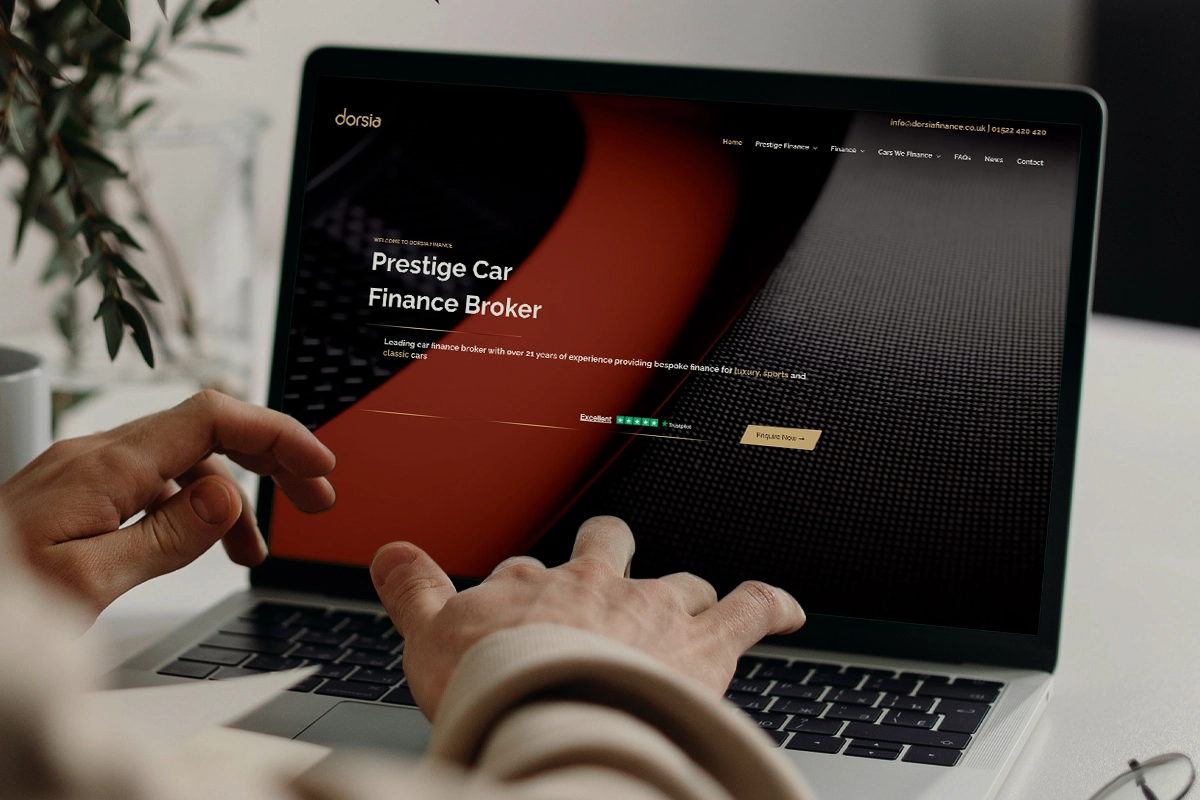
On the other hand, you might receive a quote for £4,000 or £5,000.
That can seem expensive until you understand what’s included.
A professionally built website often involves:
- Discovery meetings
- Competitor research
- SEO planning
- User journey mapping
- Copywriting
- Custom design
- Responsive development
- Speed optimisation
- Accessibility improvements
- Testing
- Launch support
Most of the work happens before a single page is even built.
You’re paying for expertise, planning and experience; not simply someone placing text onto a webpage.
DIY Website Builders vs Professional Web Designers
DIY platforms like Wix or Squarespace have become increasingly popular.
For some businesses, they’re a perfectly reasonable starting point.
Here’s a quick comparison.
| DIY | Web Designer |
|---|---|
| Lower upfront cost | Higher upfront investment |
| Quick to launch | More planning required |
| Limited customisation | Fully bespoke |
| You manage everything | Ongoing support available |
| Basic SEO | Comprehensive SEO setup |
| Generic layouts | Tailored to your business |
If you’re starting a side hustle or testing an idea, DIY can work.
If your business relies on attracting local customers, a professionally designed website often becomes a much better investment.
What Should a Local Business Expect to Pay?
For many local businesses, a realistic budget sits somewhere between £1,200 and £3,000.
That usually provides enough budget for:
- Custom design
- Mobile-friendly layout
- SEO foundations
- Contact forms
- Service pages
- Basic copywriting
- Image optimisation
- Google Analytics
- Search Console setup
- Training
It’s enough to build a website that’s designed to support business growth rather than simply exist online.
Don’t Just Compare Prices
One of the biggest mistakes businesses make is collecting three quotes and choosing the cheapest.
Instead, compare what’s actually included.
Ask questions such as:
- Will the website be custom designed?
- Is SEO included?
- Who owns the website?
- Are there ongoing contracts?
- Can I update the website myself?
- Is training provided?
- What happens if something breaks?
- Are revisions included?
- Is copywriting included?
- Will it load quickly on mobile?
A slightly more expensive quote could offer significantly better value.
Questions to Ask Before Hiring a Web Designer
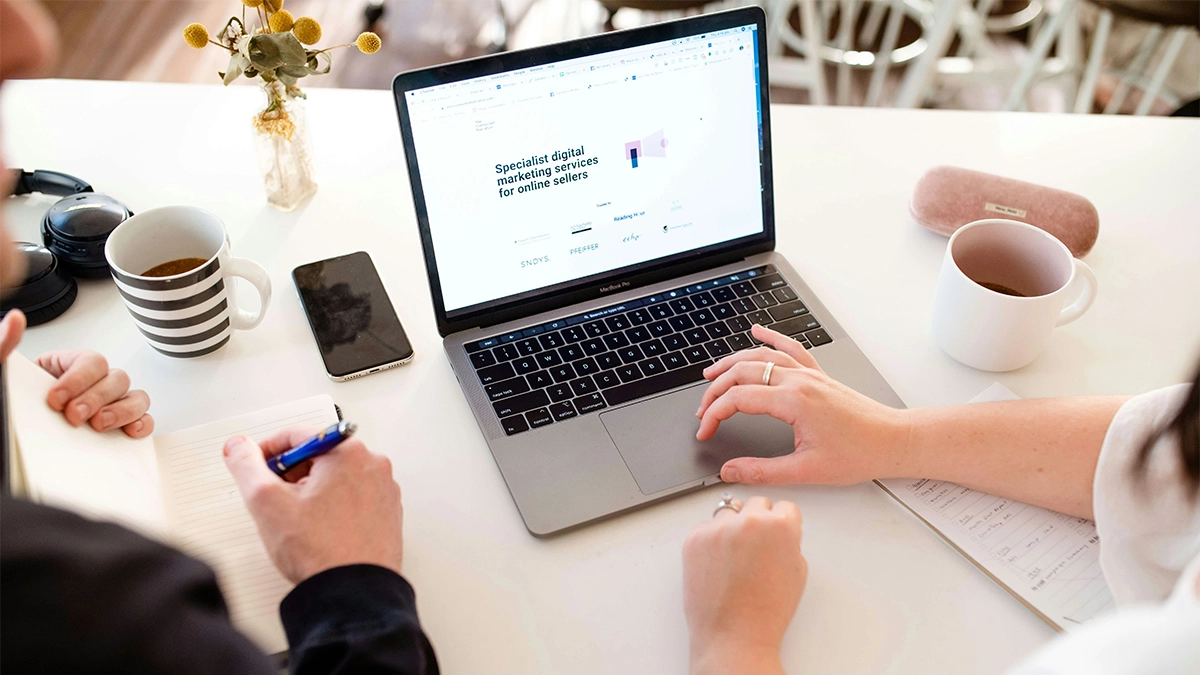
Choosing the right web designer is just as important as choosing the right price.
Consider asking:
- Can I see examples of similar businesses?
- How long will the project take?
- What happens after launch?
- Do you provide hosting?
- Do you offer ongoing support?
- Will my website be easy to update?
- How do you approach SEO?
- What platform do you build on?
A good web designer should happily answer these questions and explain everything in plain English.
A Website Should Be an Investment, Not an Expense
The cheapest website isn’t always the best value.
Imagine spending £500 on a website that never generates a single enquiry.
Now compare that with a £2,000 website that consistently brings in new customers.
Which one actually costs more?
The answer becomes obvious.
A good website should:
- Build trust
- Showcase your expertise
- Answer customer questions
- Encourage enquiries
- Support your marketing
- Help you rank in Google
If it does those things well, it can easily pay for itself many times over.
FAQs
Final Thoughts
So, how much does a business website cost?
For most local businesses, expect to invest somewhere between £1,200 and £3,000 for a professionally designed website that supports your marketing and helps generate enquiries.
While it can be tempting to choose the cheapest option, it’s worth considering the long-term value. A website isn’t just another business expense; it’s one of your most important marketing tools.
If you’re comparing quotes, focus on what’s included, the experience of the designer, and whether the website is being built to help your business grow.
Whether you’re looking for a new website in Newark, Grantham or the surrounding areas, taking the time to choose the right web design partner will almost always pay off in the long run.
Looking for a Local Web Designer?
If you’re based in Newark, take a look at our Newark Web Design service to see how we create bespoke websites that are designed to generate enquiries, not just look good.
Likewise, if you’re searching for Grantham Web Design, our local service page explains how we help businesses create fast, SEO-friendly websites that support long-term growth.
Wherever you’re based, we’re always happy to have an informal chat about your project, explain your options, and provide honest advice without any pressure.