Your website is often the first impression people have of your business. And in most cases, it decides whether someone sticks around or clicks away.
The problem is that many small businesses launch a website… and then leave it untouched for years.
At first glance, it might still “look fine”. But behind the scenes, it could be costing you leads, enquiries, and sales.
So how do you know when it’s time for an update?
Here are 5 clear signs you need to update your website, and what to do about them.
1. Your Website Looks Outdated
Let’s be honest. People judge websites quickly.
If your website looks like it hasn’t been updated in years, visitors will assume your business hasn’t either.
This doesn’t mean you need flashy animations or over-the-top design. However, it does mean your site should feel modern, clean, and easy to use.
Common signs your design is outdated:
- Small or hard-to-read text
- Cluttered layouts with too much going on
- Old-style sliders or dated visuals
- Inconsistent colours and fonts
- Low-quality or stock-heavy imagery
Even if your services are great, an outdated design can make your business feel less trustworthy.
Why this matters:
People form an opinion about your website in seconds. If it feels outdated, they are far less likely to stay, explore, or get in touch.
2. It’s Not Mobile Friendly
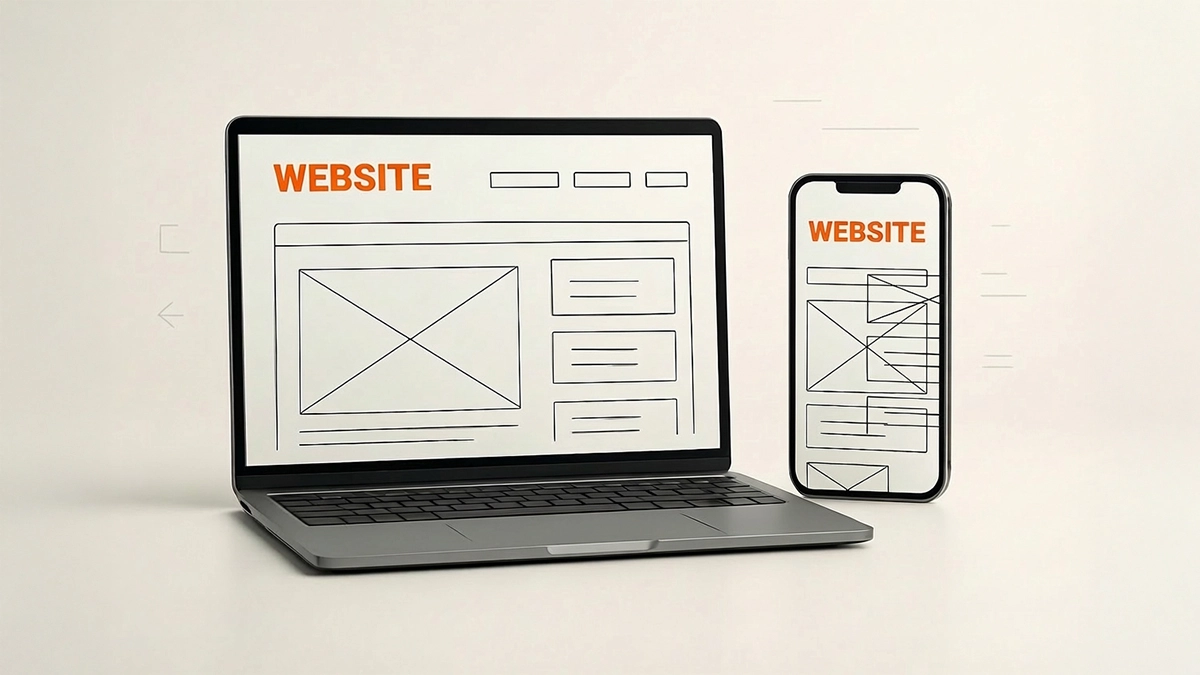
More than half of your website traffic is likely coming from mobile devices. If your website doesn’t work properly on phones, you are losing potential customers.
And this is still more common than you might think.
Signs your site isn’t mobile-friendly:
- Text is too small to read without zooming
- Buttons are hard to tap
- Images don’t scale properly
- Content overlaps or breaks
- Pages take too long to load on mobile
A good website should work seamlessly across mobile, tablet, and desktop.
Why this matters:
Not only does this impact user experience, but it also affects your rankings on Google. A poor mobile experience can push your site down in search results.
Need help with creating a responsive website?
Check out our web design services
3. Your Website Is Slow
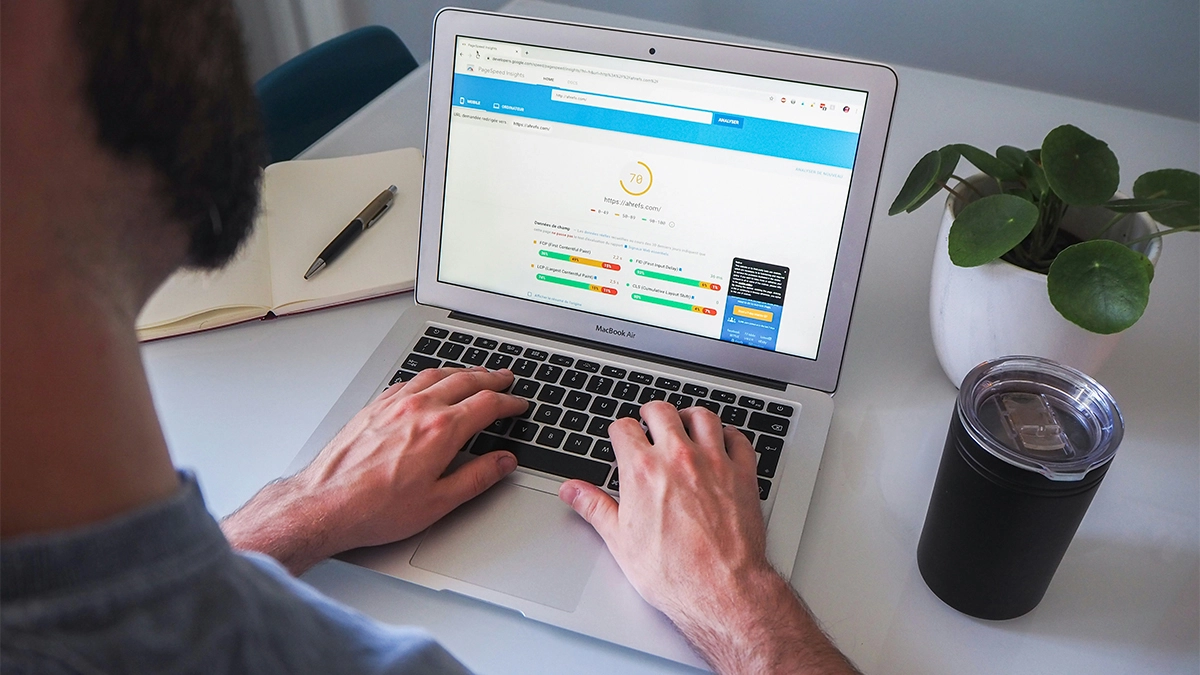
Speed matters more than ever.
If your website takes too long to load, people will leave before they even see what you offer.
Signs your website is too slow:
- Pages take more than a few seconds to load
- Images load slowly or appear one by one
- You notice high bounce rates in analytics
- The site feels laggy when clicking between pages
In many cases, slow websites are caused by:
- Large, unoptimised images
- Too many plugins
- Poor hosting
- Outdated themes or code
Why this matters:
Even a one-second delay can reduce conversions. A faster website keeps people engaged and increases your chances of turning visitors into customers.
4. You’re Not Getting Enquiries or Leads
This is one of the biggest red flags.
If people are visiting your website but not getting in touch, something isn’t working.
Your website should act like a salesperson. It should guide users, build trust, and encourage action.
Signs your website isn’t converting:
- Low enquiry or contact form submissions
- Visitors leave without taking action
- No clear call to action on pages
- Confusing navigation or user journey
- Important information is hard to find
A common issue is that websites are built to “look good” but not to generate results.
Why this matters:
Traffic alone means nothing if it doesn’t convert. A well-structured website can significantly increase enquiries without needing more visitors.
5. Your Content Is Out of Date
Your website should reflect your business as it is today, not how it was years ago.
If your services, pricing, branding, or messaging have changed, your website needs to keep up.
Signs your content needs updating:
- Old services or offers still listed
- Outdated contact details
- Blog posts that haven’t been updated in years
- Messaging that no longer fits your brand
- No recent projects, testimonials, or case studies
Keeping your content fresh shows that your business is active and evolving.
Why this matters:
Outdated content can confuse potential customers and damage trust. On the other hand, up-to-date content improves both user experience and SEO performance.
Bonus Sign: Your Website Is Hard to Update
This one often gets overlooked.
If you avoid updating your website because it’s too complicated, that’s a problem in itself.
Signs your site is difficult to manage:
- You rely on a developer for small changes
- The backend is confusing or outdated
- You’re worried about breaking something
- You haven’t updated content because it’s too much effort
Modern websites should be easy to update, especially for small businesses.
Why this matters:
If you can’t easily make updates, your website will quickly become outdated again. Simplicity and flexibility are key.
read more
Top 5 Best Website Builders in 2026
So, What Should You Do Next?
If you recognised one or more of these signs, it doesn’t necessarily mean you need a full redesign.
Sometimes, small improvements can make a big difference.
Here’s where to start:
- Review your website on mobile and desktop
- Check your page speed
- Look at your enquiry process
- Update outdated content
- Simplify your design and messaging
However, if multiple issues are stacking up, it may be more effective to rebuild your website properly rather than patching things together.
Final Thoughts
Your website should support your business, not hold it back.
If it looks outdated, loads slowly, doesn’t work on mobile, or fails to generate enquiries, it’s likely time for an update.
The good news is that improving your website doesn’t have to be complicated. Even small changes can lead to better user experience, stronger trust, and more conversions.
And ultimately, that’s what your website is there to do.
Ready to Update your Website?
If your website looks outdated, performs poorly on mobile or doesn’t reflect where your business is now, it might be time for a proper refresh.
We create custom WordPress websites for businesses across Nottinghamshire, Lincolnshire and the East Midlands. Whether you’re looking for web design in Newark or web design in Nottingham, we can help you build a website that feels clearer, more current and easier to manage.
Get in touch and let’s work out the best next step for your website.