
If you run an e-commerce website, you will already know that not every visitor becomes a customer. In fact, the majority of people who browse an online shop leave without buying anything.
However, that does not mean the opportunity is lost.
This is where email remarketing for e-commerce becomes incredibly powerful. Instead of hoping customers come back on their own, you can actively remind them about products they viewed, encourage them to complete a purchase, and build long-term relationships that lead to repeat sales.
The best part is that email remarketing is one of the most cost-effective marketing strategies available. For small businesses and startups especially, it can generate a significant return without requiring a huge advertising budget.
- What Is Email Re-marketing for E-commerce?
- Why Email Re-marketing Works So Well
- Common Types of Email Re-marketing Campaigns
- How Email Re-marketing Helps Small E-commerce Businesses
- Setting Up Email Re-marketing on Your E-commerce Website
- Best Software for WordPress E-commerce Websites
- Best Practices for Email Remarketing
- Measuring the Success of Email Re-marketing
- Final Thoughts
What Is Email Re-marketing for E-commerce?
Email remarketing for e-commerce is the process of sending targeted emails to people who have previously interacted with your website or products.
Instead of sending the same message to your entire mailing list, remarketing emails are triggered by specific actions that a visitor takes on your website.
For example, someone might:
- Add a product to their basket, but don’t complete the checkout
- Browse a particular product category
- Purchase an item from your store
- Sign up to your newsletter, but don’t buy anything
Email remarketing allows you to send tailored emails based on these behaviours.
This makes the message far more relevant to the customer. As a result, they are much more likely to open the email and take action.
Why Email Re-marketing Works So Well
One of the biggest challenges in e-commerce is that customers rarely purchase on their first visit.
Many people browse several websites, compare prices, or simply get distracted before completing their purchase.
Email remarketing helps bring these potential customers back to your website.
There are several reasons why this strategy works so well.
Your Audience Already Knows Your Brand
Unlike cold marketing campaigns, remarketing targets people who have already interacted with your business.
They may have visited your website, browsed your products, or even added something to their basket.
Because they already recognise your brand, the barrier to purchase is much lower.
It Recovers Abandoned Sales
Cart abandonment is one of the biggest issues for online shops.
Research consistently shows that over 60% of online baskets are abandoned before checkout is completed.
Email remarketing allows you to follow up with these visitors and encourage them to finish their purchase.
Even recovering a small percentage of abandoned baskets can make a noticeable difference to your revenue.
It Encourages Repeat Purchases
Remarketing is not only about recovering missed sales. It also helps you build long-term relationships with customers.
Once someone has purchased from your store, you can send targeted emails such as:
- Product recommendations
- Re-stock reminders
- Loyalty offers
- New product announcements
This keeps your brand front of mind and encourages customers to return.
Common Types of Email Re-marketing Campaigns
There are several different types of remarketing emails that e-commerce businesses can use. The most successful stores often combine multiple strategies.
Abandoned Cart Emails
This is the most well-known type of remarketing email.
If a visitor adds items to their basket but does not complete the purchase, your system automatically sends them a reminder email.
These emails often include:
- The products left in their basket
- A reminder to complete checkout
- A small incentive, such as free delivery or a discount
Even a simple reminder email can recover a surprising number of lost sales.
Browse Abandonment Emails
Sometimes visitors browse products but never add anything to their basket.
Browse abandonment emails follow up with customers who have viewed specific products or categories.
For example, if someone spends time looking at running shoes, you might send an email highlighting similar products or popular items in that category.
Post Purchase Emails
Remarketing does not stop once the purchase is complete.
Post-purchase emails can help strengthen the relationship with your customer.
These emails might include:
- Order follow-ups
- Product care tips
- Upsells or complementary products
- Requests for reviews
This keeps your brand engaged with customers and increases the likelihood of future purchases.
Re-Engagement Emails
Some customers may stop interacting with your emails over time.
Re-engagement campaigns aim to bring them back.
These emails might include special offers, new product announcements, or simply a reminder that your brand still exists.
How Email Re-marketing Helps Small E-commerce Businesses
Large brands invest huge budgets in paid advertising. However, small businesses often need to make their marketing budget stretch much further.
Email remarketing is ideal because it focuses on people who have already shown interest in your products.
Instead of paying repeatedly for new traffic, you can maximise the value of the visitors you already have.
For startups and smaller online shops, this can lead to:
- Higher conversion rates
- Increased customer lifetime value
- Lower marketing costs
- More predictable sales
When implemented correctly, email remarketing becomes one of the most reliable marketing channels available.
Setting Up Email Re-marketing on Your E-commerce Website
The process of setting up email remarketing is easier than many small businesses expect.
Most modern email marketing platforms integrate directly with e-commerce systems such as WooCommerce.
Here is a simple overview of how the process works.
Step 1: Collect Customer Emails
First, you need a way to collect email addresses.
This can happen through:
- Checkout purchases
- Newsletter sign-ups
- Discount offers
- Account registrations
It is important to ensure your sign-up process is GDPR compliant and clearly explains how you will use the customer’s data.
Step 2: Connect Your Email Platform
Next, connect your website to an email marketing platform.
This allows the system to track customer behaviour and trigger remarketing emails automatically.
Many platforms offer direct integrations with WordPress and WooCommerce, making the setup straightforward.
Step 3: Create Automated Email Sequences
Once everything is connected, you can create automated email sequences.
For example, you might create a three-step abandoned cart sequence.
This could look like:
- Reminder email after 1 hour
- Follow up email after 24 hours
- Final reminder with an incentive after 48 hours
Automation means the system runs in the background without needing manual work each time.
Step 4: Test and Optimise
Finally, review how your emails perform.
You can experiment with:
- Subject lines
- Send timing
- Email design
- Offers and incentives
Over time, these small improvements can significantly increase conversions.
Best Software for WordPress E-commerce Websites
If your e-commerce website runs on WordPress, particularly with WooCommerce, there are several email marketing platforms that integrate very well.
Below are some of the best options for small businesses.
MailPoet
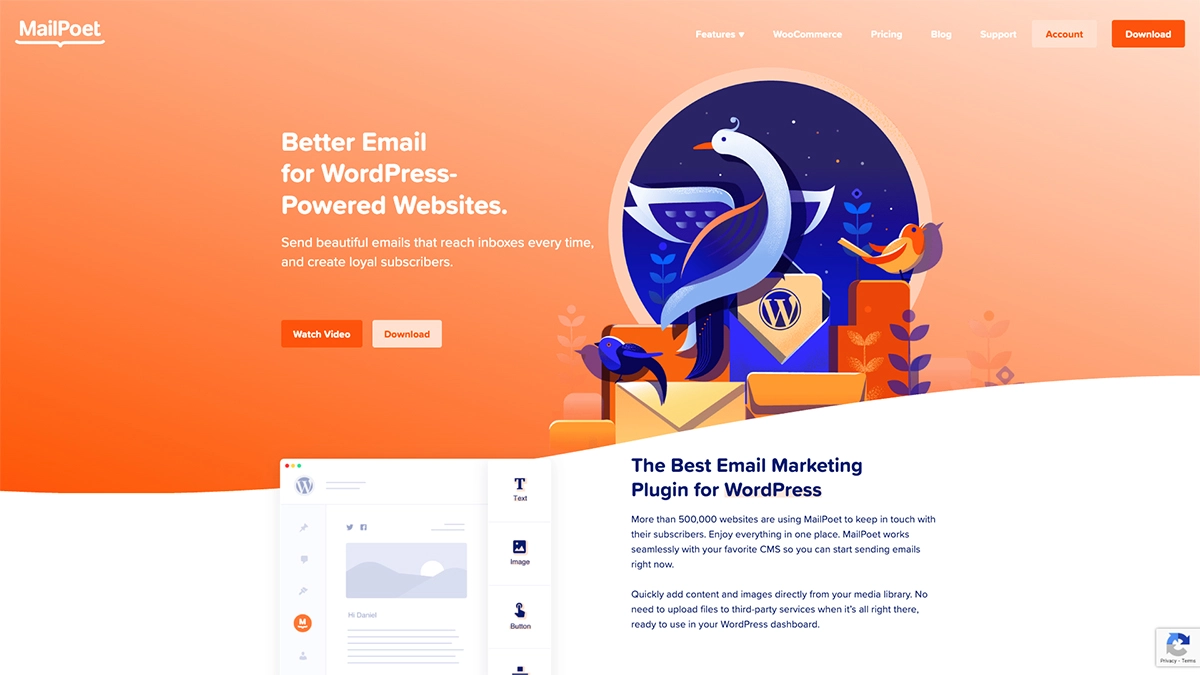
MailPoet is one of the most popular email marketing plugins for WordPress.
It integrates directly with WooCommerce and allows you to manage email campaigns from inside your WordPress dashboard.
Key features include:
- Abandoned cart emails
- Post-purchase automation
- Product recommendations
- Simple email design tools
Because everything runs within WordPress, it can be an easy solution for small businesses that want a straightforward setup.
Klaviyo
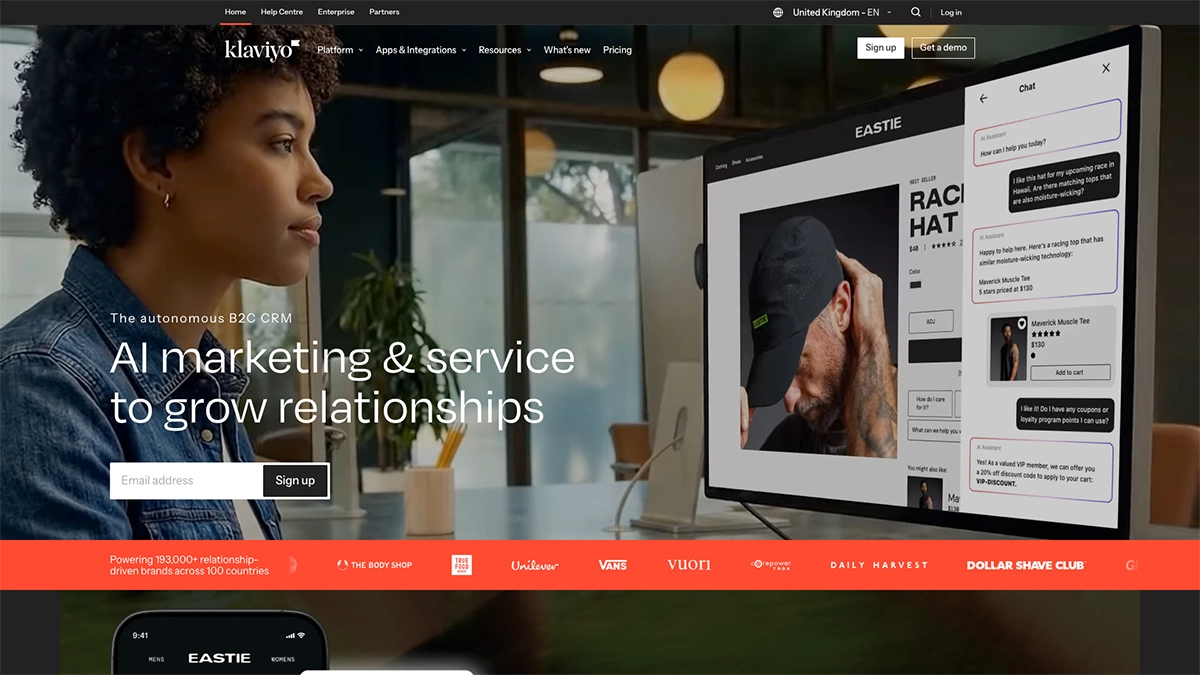
Klaviyo is widely used by larger e-commerce brands but is also suitable for smaller businesses that want advanced marketing automation.
It offers powerful segmentation and detailed customer data tracking.
Features include:
- Advanced customer segmentation
- Personalised product recommendations
- Detailed analytics
- Powerful automation workflows
Although it can be more complex to set up, Klaviyo is extremely powerful once configured.
Mailchimp
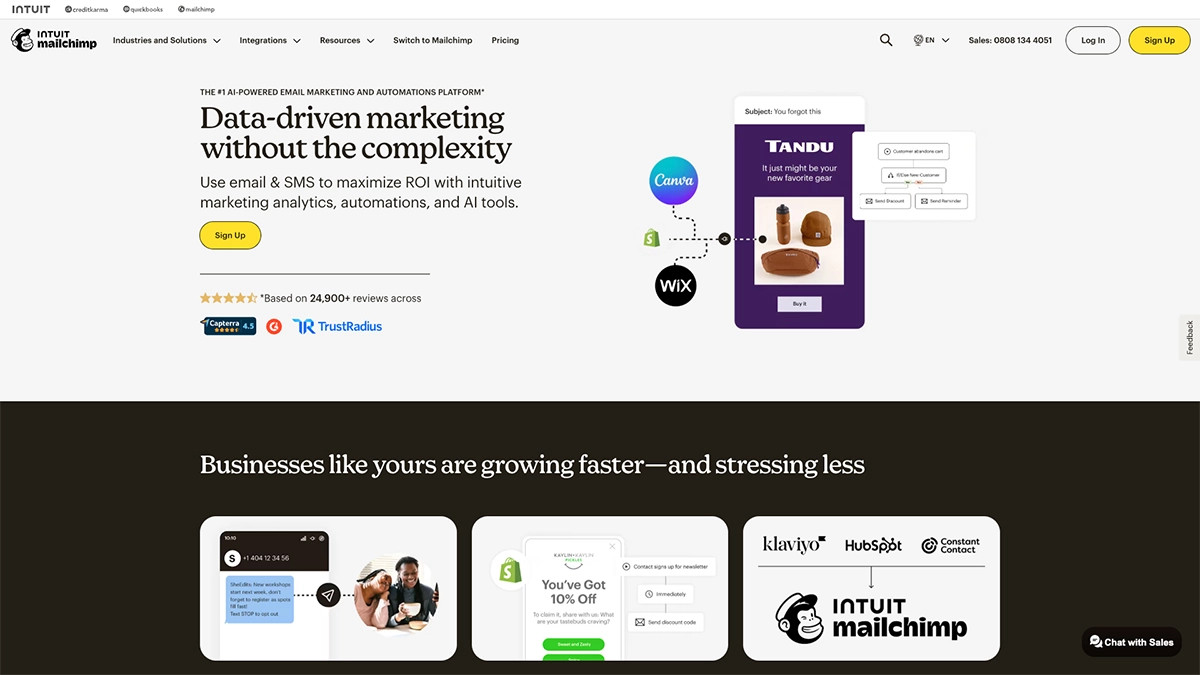
Mailchimp is one of the most recognised email marketing platforms.
It integrates with WooCommerce through plugins and provides many automation features.
These include:
- Abandoned cart emails
- Customer segmentation
- Marketing automation
- Analytics and reporting
Mailchimp can be a good starting point for businesses already familiar with the platform.
Omnisend

Omnisend is designed specifically for e-commerce marketing.
It combines email marketing with other channels such as SMS and push notifications.
Key features include:
- Pre-built e-commerce automation workflows
- Product recommendation blocks
- Multi-channel marketing tools
- Detailed sales tracking
For businesses focused heavily on online retail, Omnisend can be a strong option.
Best Practices for Email Remarketing
To get the most from email remarketing for ecommerce, it is important to follow a few best practices.
Keep Your Emails Personal
Personalised emails perform significantly better than generic campaigns.
Whenever possible, include:
- The customer’s name
- Products they viewed
- Relevant recommendations
This makes the email feel more helpful rather than promotional.
Use Clear Calls to Action
Every email should have a clear next step.
For example:
- Complete your order
- View your saved items
- Explore new products
Make sure the call-to-action button is easy to see and simple to understand.
Avoid Sending Too Many Emails
Remarketing works best when it feels helpful rather than intrusive.
Sending too many emails can lead to people unsubscribing from your list.
Instead, focus on well-timed emails that provide genuine value.
Make Emails Mobile Friendly
A large percentage of emails are opened on mobile devices.
Ensure your email designs are responsive and easy to read on smaller screens.
Measuring the Success of Email Re-marketing
Like any marketing strategy, it is important to track results.
Most email marketing platforms provide detailed analytics that allow you to measure performance.
Key metrics to monitor include:
- Open rate
- Click-through rate
- Conversion rate
- Revenue generated from email campaigns
Over time, this data will help you understand what works best for your audience.
Final Thoughts
For many online shops, a large percentage of potential sales are lost simply because customers leave before completing their purchase.
However, with the right strategy in place, many of those sales can be recovered.
Email remarketing for e-commerce allows you to reconnect with interested customers, encourage them to complete purchases, and build stronger relationships over time.
For small businesses and startups especially, it offers a powerful marketing channel that does not require a large budget.
By setting up simple automated campaigns such as abandoned cart reminders, browse follow ups, and post purchase emails, you can significantly increase the value of the traffic already visiting your website.
When combined with the right email marketing software and a clear strategy, email remarketing can quickly become one of the most effective tools for growing your e-commerce business.